
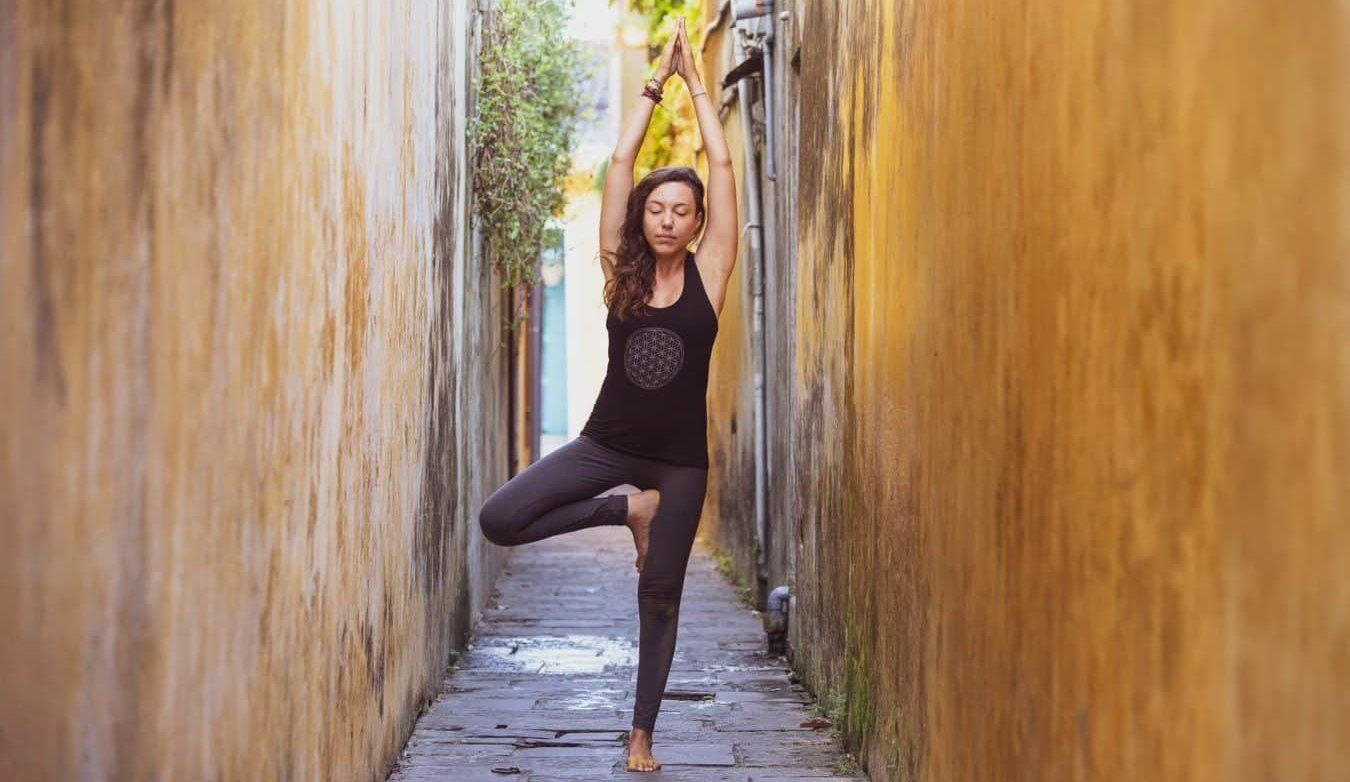
In 2020, The Culture Trip published a blog post called “Why Hoi An Is Vietnam’s New Yoga Paradise” by Samantha Nguyen. But what makes this lovely ancient town of Hoi An a yoga paradise of Vietnam?
Formerly known as Fai-Fo, Hoi An has been a top star of Vietnam’s tourism for a long time. Located about 30 kilometers south of central Da Nang (and part of Da Nang city since the 2025 merger with Quang Nam), the only way to get to Hoi An is by road as there is no airport or train station in this town. Yet, this small town welcomes a huge number of visitors every year thanks to its unique and rustic beauty of a trading port from the 15th to the 19th century in Southeast Asia.
Every shop, store, restaurant and house remains the indigenous and foreign influences in the past, making Hoi An a unique heritage site of Vietnam.
What’s new for 2027
- Since 1 July 2025 Quang Nam province has been merged into Da Nang city, so Hoi An is now part of Da Nang. Studio addresses below keep the old “Hoi An, Quang Nam” wording; map apps may show the new ward name.
- Yoga studios open and close often, so check each studio’s current class schedule before you go, or ask us to arrange yoga within a private Hoi An tour.
1. The Cross-culture of Hoi An reflects the yoga spirit
Travelers who are looking for mindful relaxation are likely to find the little Hoi An town an inspiration. Some might even compare Hoi An as a haven for spiritual adventure. The rustic and antique beauty of Hoi An is something that other popular cities in Vietnam can never replicate. Fai-fo owns a deep sense of spirit that makes Hoi An a top destination for a yoga retreat.
The most special feature of Hoi An is how this town successfully preserves its old streets, ancient houses, pagodas, temples, wells and tombs although centuries have passed. The architecture of this little town is a cultural mixture of Vietnamese, Chinese and Japanese influences. It reflects how Hoi An is a symbol of culture – and how yoga practitioners can open their hearts to learn about themselves while discovering a different culture.
Until today, the locals still do their best to preserve their folk festivals, traditions, beliefs and the culinary art of this Vietnam’s town. Don’t miss your opportunity to find the answers to your questions while learning from another culture in a yoga retreat in Hoi An.
You can see more about yoga in Vietnam here: “The ultimate guide to wonderful yoga experience in Vietnam“

2. Diversity in sacred sites
Thanks to Hoi An’s cultural blend, this town has impressive diversity in terms of sacred sites. A long time ago, yogis, healers and spiritual seekers from different cultures were gathered in Fai-fo and started to build their own community. Their heritages are well-preserved until today, making Hoi An a top yoga destination for its spirituality.
In Vietnam, Buddhism, Taoism and Confucianism are widely practiced and influenced in terms of social and spiritual lives. The Tran Family Home and Chapel built in the 1800s by a mandarin is a symbol of Taoism practices in the past. It was a place to worship the ancestors – a custom Vietnamese still practice until now.
Meanwhile, Hoi An’s Confucius Temple was built on the northwest edge of the city to honor the teachings of the great philosopher. In addition, as one of the oldest Buddhist temples, Van Duc Pagoda serves as a place to show respect to local monks and deities. This shows how this little town brings a sense of personal and cultural morality. For travelers who are looking for a spirituality location to practice yoga, Hoi An will be a perfect destination.
Maybe you need this: “7 things to know before taking your first yoga class in Hoian, a beginner’s guide“
Planning a trip? Get a private, tailor-made itinerary within 24 hours: Vietnam luxury tour, 15 days →
3. Hoi An’s cross-cultural culinary art
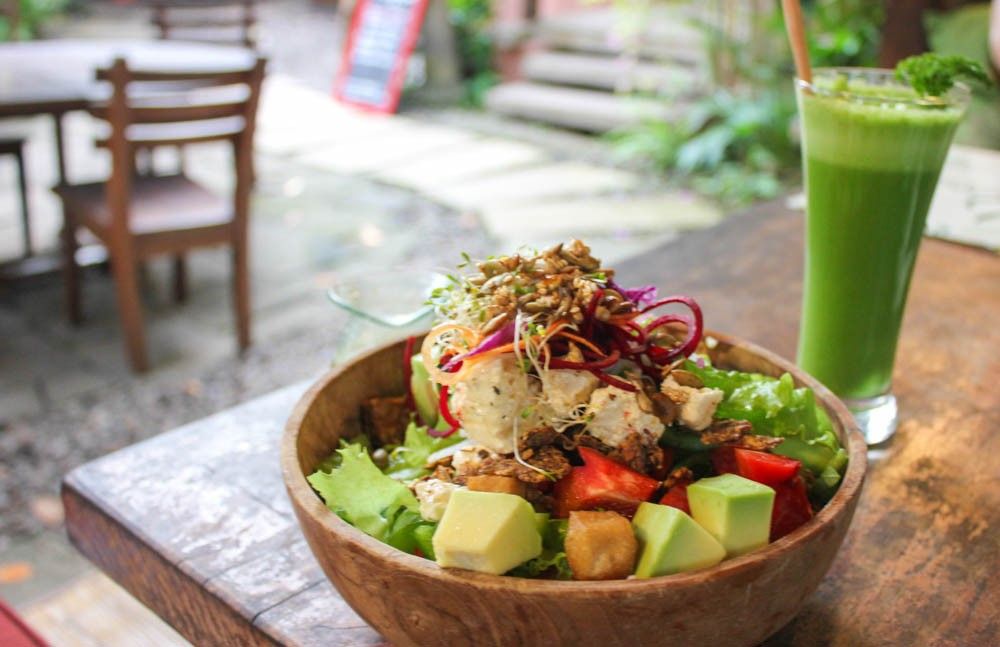
For a lot of yogis, yoga practice is more than just on a mat. In Hoi An, yoga practice can also be extended to the table to keep your mind clear and your body nourished. The cuisine of this town provides fresh and healthy ingredients cooked by world-renowned chefs, creating a healthy and delicious flavor for all yogis coming to Hoi An for yoga.
Influenced by cross-cultural experiences and spice trade, Hoi An’s chefs have sophisticated techniques mixed between European and Vietnamese styles. All ingredients and cooking methods can satisfy both your health and cuisine preference, especially for yoga practitioners in Hoi An.
Scott Blossom – Ayurveda educator and yoga teacher in the U.S. regards eating as the most important act for yoga practice. Besides Hoi An’s impressive culinary art, The Culture Trip – a UK travel website also listed Vietnam cuisine among the top 10 healthiest cuisines in the World. As a town of Vietnam, Hoi An proves to be a perfect destination for a yoga holiday.
4. Yoga and wellness in Hoi An
Finally, this lantern-lit town of Hoi An offers a range of wellness options. Several wellness resorts, such as Almanity Hoi An, run their own spa and fitness programmes. Small studios open, move and close often, so check the current schedule shortly before you travel, or ask us to arrange yoga within a private tour.
Maybe you are looking for yoga studios in Hanoi: “Top 5 yoga centers for foreigners in Hanoi“
a. My Chi Spa at Almanity Hoi An
- Website: http://www.mychispa-hoian.com/
- Address: 326 Ly Thuong Kiet, Hoi An Tay Ward, Da Nang, Vietnam
My Chi Spa Hoi An is a luxurious spa that provides ancient traditions so that visitors can seek self-discovery and balance. It is the spa of Almanity Hoi An Wellness Resort, with massages, herbal compress treatments, sauna, steam rooms and a fitness centre. Yoga classes are not listed on its website at the moment, so ask the resort before booking if yoga is your priority.
Visit Metta Voyage now to get updates on interesting and useful information about wellness lifestyle & holiday!
Save this guide
Keep it for later, or print it now
We'll email you this guide and a few planning tips from our travel designers.
· Privacy
0 Comment