
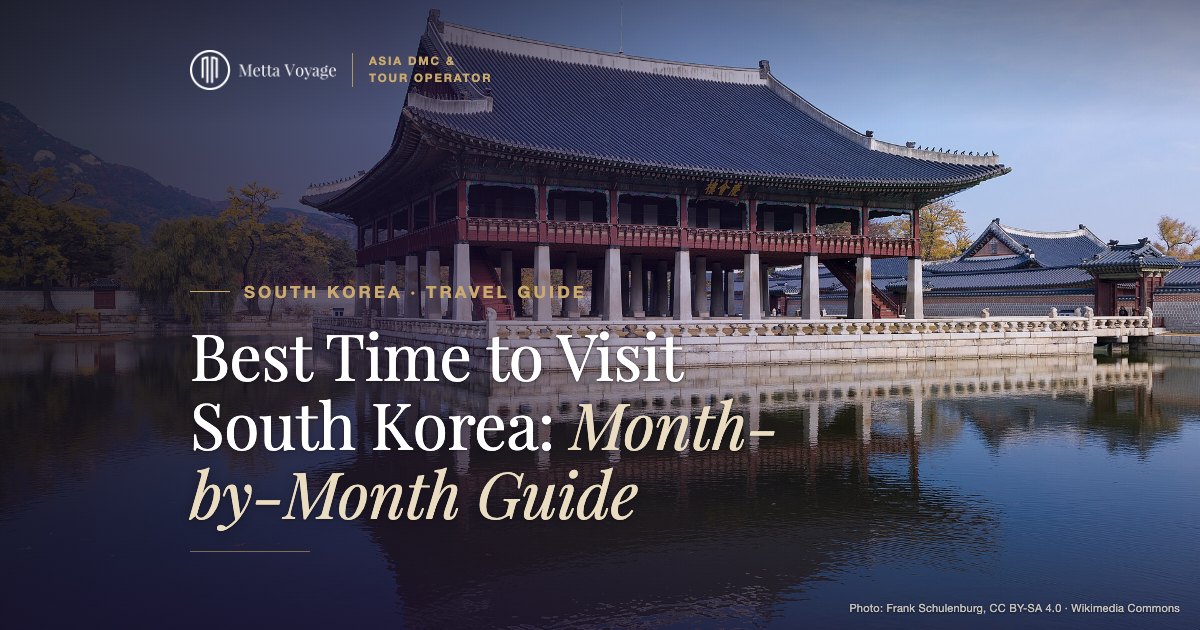
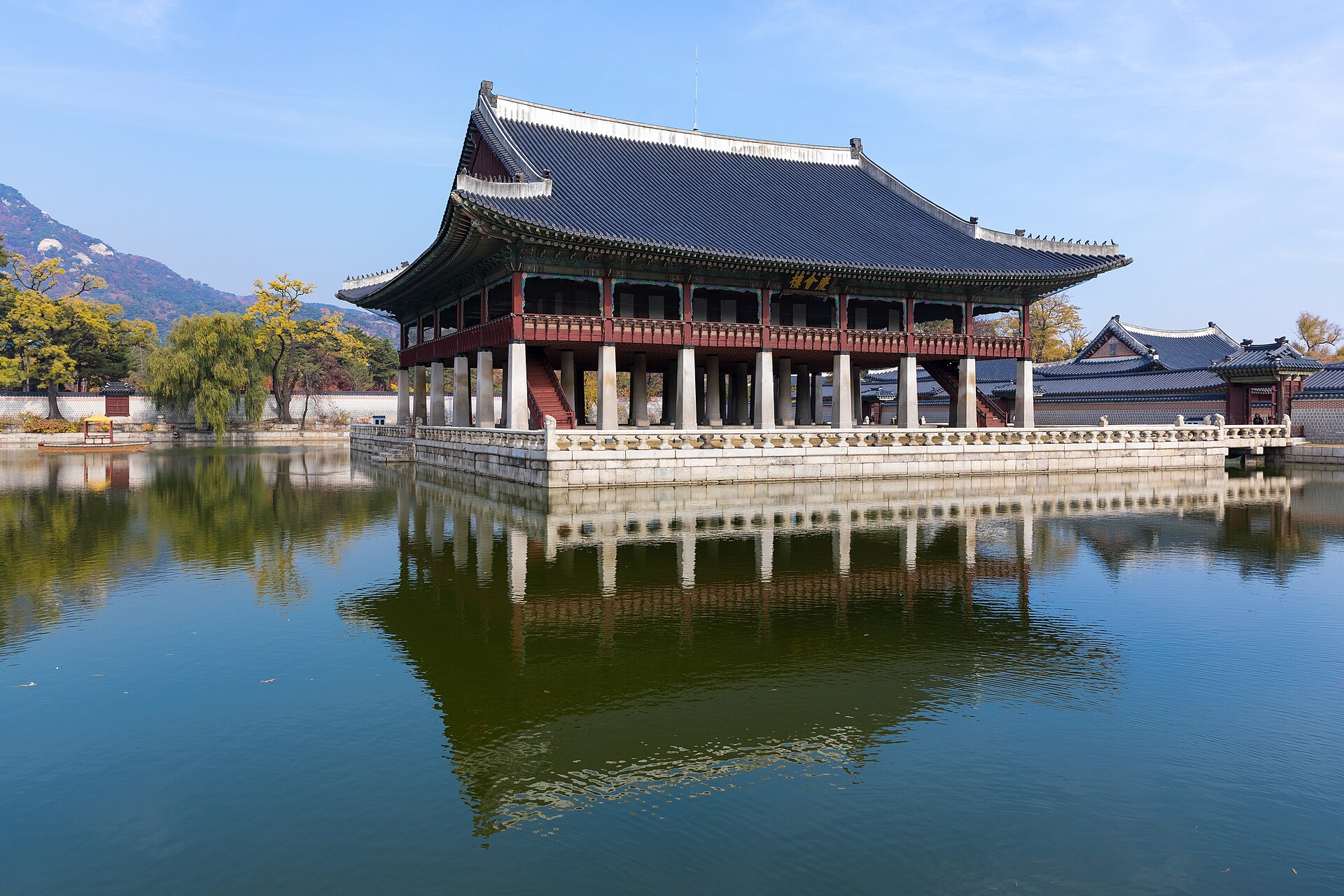
South Korea has four sharply defined seasons, far more distinct than anywhere in Southeast Asia: blossom-filled springs, hot and rainy summers, crisp golden autumns and genuinely cold winters. Picking the right month makes the difference between strolling palace courtyards in perfect weather and dodging monsoon downpours or icy wind. Here is when to visit South Korea, month by month, with notes for Seoul, Gyeongju, Busan and Jeju Island.
The short answer
The best times to visit South Korea are spring, from early April through May, and autumn, from late September to early November. Cherry blossoms usually peak in Seoul in the first half of April, and fall foliage reaches the mountains in mid-October and the cities from late October into early November. If you can, avoid the summer rainy season, called jangma, from late June through July, and the deep cold of January.
South Korea month by month
| Month | Weather in Seoul | Highlights | Good to know |
|---|---|---|---|
| January | Very cold and dry | Snow in the mountains, skiing, clear skies | Often below freezing; Lunar New Year falls in January or February |
| February | Cold | Quiet sights, lower hotel rates | Jeju is milder than the mainland |
| March | Cool and windy | First blossoms on Jeju and the south coast | Occasional hazy fine-dust days |
| April | Mild | Cherry blossoms in Seoul and Gyeongju | The busiest spring month |
| May | Pleasant, sunny | Azaleas, lantern displays for Buddha’s Birthday | Great for families and walking |
| June | Warming up | Long, green days | Jangma usually starts late in the month |
| July | Hot, humid, wet | Lush mountains and valleys | Heavy downpours on and off |
| August | Very hot | Beaches in Busan and on Jeju | Typhoon risk from August into September |
| September | Cooling down | Clearer skies return | Chuseok holiday falls in September or October |
| October | Cool, dry, sunny | Foliage in Seoraksan, cultural festivals | One of the best months of the year |
| November | Cool, then cold | Foliage in Seoul and Gyeongju early in the month | Feels like winter by month’s end |
| December | Cold | City light displays, winter markets | First frosts and mountain snow |
Spring: cherry blossoms and lanterns
Cherry blossoms move up the peninsula from south to north. They usually open on Jeju and along the south coast in late March, reach Busan and Gyeongju around the start of April and arrive in Seoul in the first half of the month. In Gyeongju, the lanes around Bomun Lake and the royal burial mounds turn pink and white; in Seoul, locals picnic in the parks along the Han River and in the palace gardens. May brings azaleas and, around Buddha’s Birthday, temples hung with thousands of colorful lanterns. The one drawback of spring is the occasional hazy day caused by fine dust, so check the air-quality forecast and pack a mask.
Summer: jangma, heat and typhoons
Jangma, Korea’s rainy season, typically runs from late June to late July, with intense showers between muggy, overcast days. In August the humid heat often tops 86°F (30°C), and from August into September typhoons can hit Jeju and the south coast, sometimes pausing flights and ferries for a day or two. Summer still has its rewards: deep green mountains, lively beaches in Busan and long evenings in the city. If you travel then, leave a buffer day before your flight home and save museums and covered markets for the afternoons.
Autumn: the most beautiful season
From late September to early November the skies are clear, the air is dry and the temperatures are ideal for walking. Foliage starts in the northeastern mountains: Seoraksan National Park usually turns red and gold around mid-October, while Seoul, Gyeongju and the royal palaces are at their best from late October into early November. It is also festival season. Keep an eye on Chuseok, the harvest holiday that falls in September or October depending on the lunar calendar: for about three days much of the country travels home, transport is packed and some shops and restaurants close.
Winter: dry cold and snow
From December to February Seoul is cold, with lows often well below freezing and a biting wind; the mountains of Gangwon Province get snow and ski resorts open. In return you get crystal-clear skies, uncrowded palaces and lower hotel rates. Warming up on heated ondol floors in a traditional guesthouse, or over a bowl of hot stew, is part of the experience. Jeju stays milder than the mainland. Lunar New Year, called Seollal, is another week of heavy domestic travel.
Which season suits you
- First-time visitors and couples: mid-April to May, or mid-October to early November.
- Families with teens: May, with long mild days, or the summer holidays if you base yourselves on the coast.
- Nature lovers: October for foliage in Seoraksan, May for hiking.
- Combining Korea with Vietnam: a Korean autumn pairs well with northern Vietnam, which is cool and clear in October and November, and a Korean spring pairs well with central and southern Vietnam.
Tours that match the seasons
Our Classic Korea private tour covers Seoul, Gyeongju, Busan and Jeju Island in 10 days, from US$2,500 per person, confirmed in your quote, and works in both spring and autumn. For fall color, the Korea in Autumn tour adds Nami Island and Seoraksan, from US$2,500 per person, confirmed in your quote. With less time, the 8-day Korean Heritage tour starts from US$2,000 per person, confirmed in your quote. Travelers adding Vietnam in autumn often include a Halong Bay cruise; learn more about us as a Vietnam tour operator.
Blossom and foliage forecasts and festival dates are published each year by the Korea Tourism Organization on VisitKorea. Entry rules depend on your nationality, so check the official K-ETA website before you travel.
Frequently asked questions
What is the best month to visit South Korea?
October and the second half of April are the most balanced months, with mild weather, clear skies and colorful scenery. May is an excellent alternative with smaller crowds than cherry blossom season.
When do cherry blossoms bloom in South Korea?
On Jeju and the south coast in late March, in Busan and Gyeongju around early April, and in Seoul in the first half of April. Dates shift by a few days each year, so check the forecast.
When is the rainy season in South Korea?
Jangma usually runs from late June to late July, with heavy showers between humid days. Typhoons are also possible from August into September, mainly on Jeju and the south coast.
How cold is Seoul in winter?
From December to February lows are often below freezing and the wind can be bitter. Skies are clear and palaces are quiet, but you will need a full winter wardrobe.
Will our guide in Korea speak English?
Yes: in Korea you travel with an English-speaking guide (subject to availability); we recommend booking early, and it is confirmed in your quote. If you add Vietnam to your trip, you have a private English-speaking guide there too, booked in advance.
Plan your trip with us
Tell us your dates, who is traveling and what you would like to see: we reply with a private itinerary and a written quote. Message us on WhatsApp · US +1 929 491 2828 · UK +44 7520 660929 · VN +84 812 247 572
Updated 26/10/2026 · Metta Voyage · Licensed international tour operator, license 01-1167/2023/CDLQGVN-GP LHQT (quanlyluhanh.vn) · Tripadvisor 4.9★
Private tours to consider
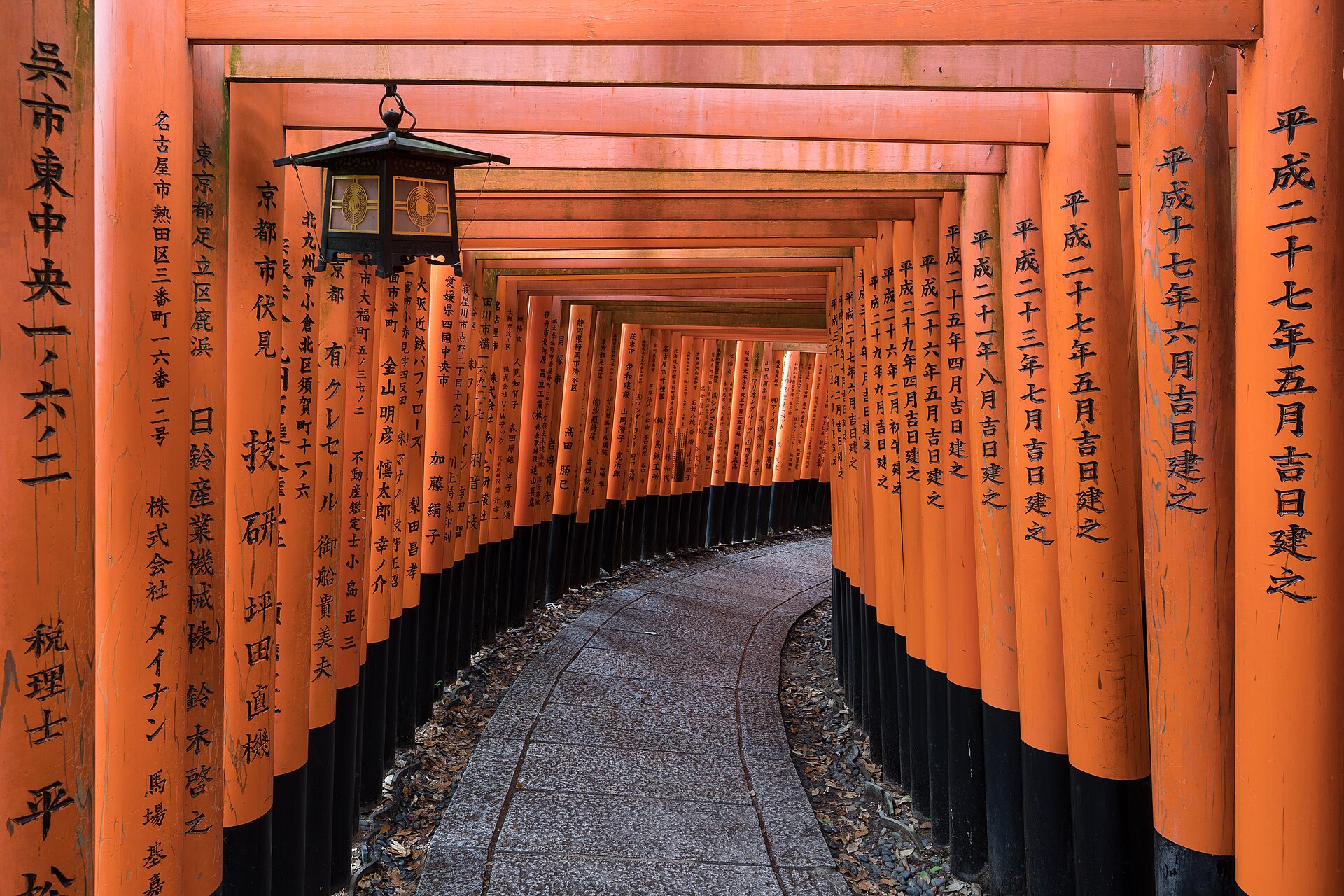 Japan and South Korea in 13 Days: Tokyo, Kyoto, Osaka, Seoul and Busanfrom $3,250See the tour →Korea and Vietnam: Seoul, Gyeongju, Busan, Hoi An, Hanoi and Halong Bay in 12 Daysfrom $2,340See the tour →
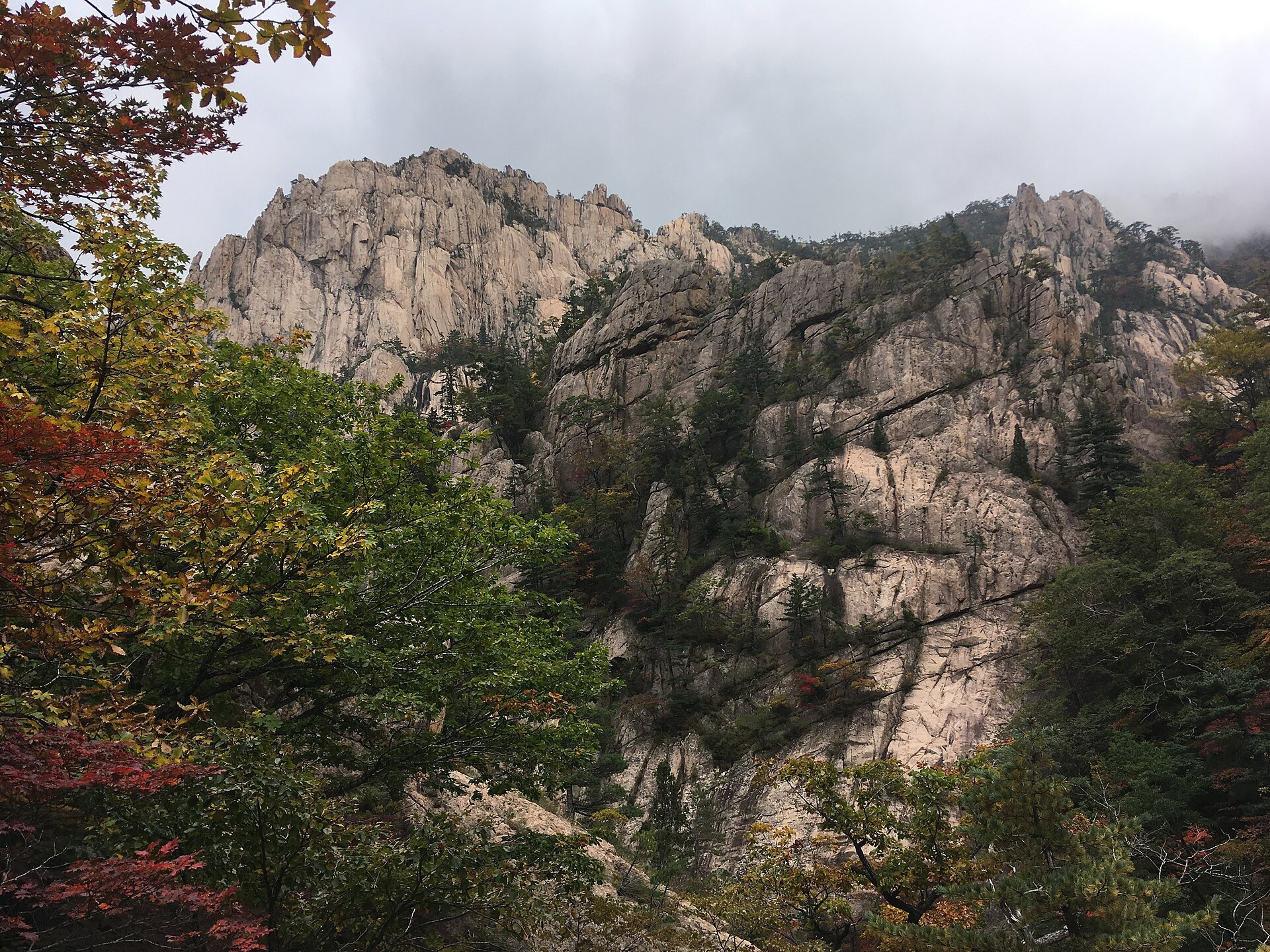 Korea in Autumn: Seoul, Nami Island, Seoraksan, Andong, Gyeongju and Busan in 10 Daysfrom $2,500See the tour →