
1. Introduction about Vietnam Museum of Ethnology
The Vietnam Museum of Ethnology is a remarkable institution dedicated to preserving and showcasing the rich cultural heritage of Vietnam’s diverse ethnic groups. Located in Hanoi, the capital city of Vietnam, the museum serves as a window into the country’s vibrant past and present, offering visitors an immersive experience and a deeper understanding of its diverse cultures.
Established in 1997, the museum stands as a testament to Vietnam’s commitment to preserving its cultural diversity and promoting intercultural dialogue. It serves as an important educational resource, research center, and cultural hub, attracting both local and international visitors who seek to explore the fascinating tapestry of Vietnam’s ethnic traditions, customs, and ways of life.
What’s new for 2027
- Since 1 July 2025 Vietnam has a two-tier local government: district-level units such as Cau Giay District were abolished and many wards were merged and renamed. The address below keeps the street and former district name; map apps may show the new ward name.
- Entrance, guide and water puppet prices were removed because they change often. Check them at the museum, or visit with a private guide on one of our Hanoi tours.

2.Open hours and fees of Vietnam Museum of Ethnology
2.1. Open hours
- Tuesday to Sunday, usually from 8:30 AM to 5:30 PM (hours can change on holidays and special occasions).
- The museum is closed on Mondays and on some public holidays (including Tet, the Lunar New Year), so check before you go.
2.2. Entrance fee
- Tickets: check the current fee at the ticket office before you go (prices change).
- Reduced prices or free entry usually apply to students, young children, seniors and visitors with disabilities; ask at the ticket desk.
2.3. Interpretation fee
Museum guides are available in Vietnamese, English, and French for an extra fee, for the indoor galleries, the outdoor area or the whole museum. Book and check the current fee at the reception desk.

3. How to get Vietnam Museum of Ethnology
Address: Nguyen Van Huyen Street, former Cau Giay District, Hanoi, Vietnam.
You have a few transportation options to reach the Vietnam Museum of Ethnology in Hanoi. The most convenient way is by taxi or ride-hailing service. Just hail a taxi or use a ride-hailing app, provide the museum’s address, and the driver will take you there.
Alternatively, you can take a public bus by checking the local routes and schedules. Look for buses heading to Cau Giay District or mentioning the museum as a landmark. The closest bus stops are usually “Bảo Tàng Dân Tộc Học”.
If you have a private car or motorcycle, use navigation apps or maps to guide you. Remember to consider traffic conditions and parking availability around the museum.
Plan your journey in advance, allowing sufficient time and considering potential traffic in Hanoi. For specific directions or recommendations, don’t hesitate to contact the museum or your accommodation.

4. Interesting Activities To Do At Vietnam Museum of Ethnology
There are many amazing things you can do and see at the Vietnam Museum of Ethnology.
4.1. Trong Dong Building
The Trong Dong (Bronze Drum) building is a two-story structure holding the museum’s permanent exhibitions. This structure is modeled after the bronze drum, which is a symbol of Vietnamese civilization.
Plan your Vietnam trip in 1 minute
Pick your month to see the weather by region, or estimate your budget — then get a private itinerary from our Hanoi team.
Typical seasonal patterns; weather varies year to year. Our team checks your exact dates when we prepare your itinerary.
"From" prices published on our Vietnam tour cost guide: per person per day, 2 travellers sharing, private guide & driver, hotels, listed activities. International flights, e-visa, insurance and tips not included. Final price is confirmed in your written quote.

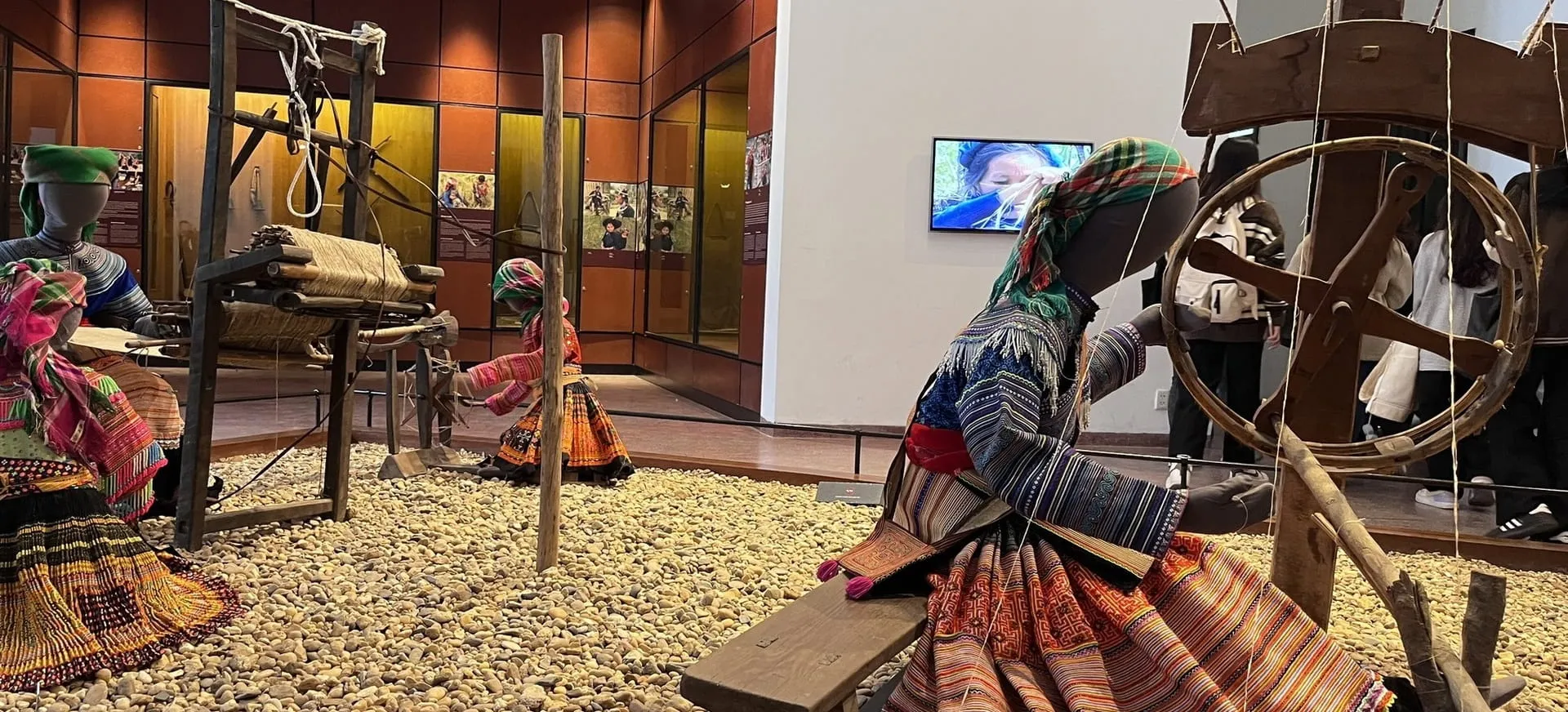
The museum’s large collection of artifacts and photographs is the basis for the indoor galleries, which draw on it to show daily life and ceremonial occasions such as weddings and funerals. These exhibits encompass diverse aspects of every ethnic group. Translations of the displays are available in French, English, and Vietnamese.
The second floor hosts exhibitions that cover a wide range of subjects, and these displays change annually.

4.2. Outdoor display area
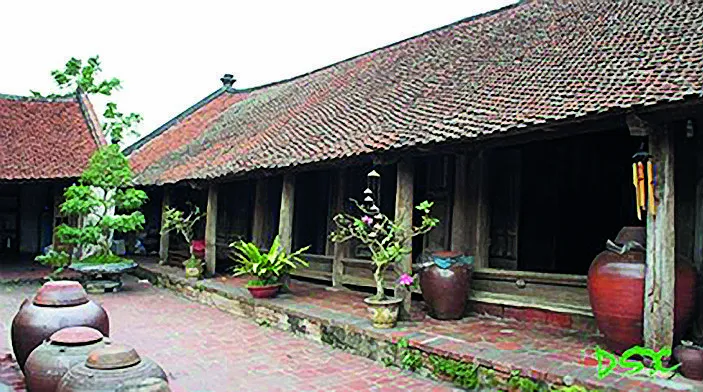
The outdoor display area in the Vietnam Museum of Ethnology offers a captivating journey into the diverse cultural heritage of Vietnam. This open-air exhibition space showcases traditional houses and structures such as Gia Rai’s grave house, Hmong roofed house, Ede house, etc., representing various ethnic groups in the country. As visitors stroll through the area, they can immerse themselves in the authentic architecture, construction techniques, and interior designs of each house. The arrangement of the houses reflects the geographical distribution of the ethnic communities within Vietnam.

Cultural objects and artifacts on display provide further insights into these communities’ customs, traditions, and daily lives. Visitors can also witness traditional crafts and activity demonstrations, offering a hands-on experience and a deeper understanding of Vietnam’s cultural richness. The outdoor display area serves as a gateway to explore the vibrant ethnic tapestry and heritage of Vietnam, making it an essential stop for those seeking to delve into the country’s diverse cultural mosaic.
4.3. Southeast Asia exhibition area
Nestled within the Vietnam Museum of Ethnology, the Southeast Asia exhibition area is housed in a captivating kite-shaped building. This unique architectural design serves as an emblem of the cultural treasures it holds within. Visitors step inside and are transported on a remarkable journey across Southeast Asia and beyond, guided by the theme “A Glimpse of Asia and Around the World.”
Within this exhibition area, an array of artifacts, images, and displays await, representing the diverse cultures and traditions of Southeast Asian countries and other parts of the globe. From traditional costumes and religious artifacts to musical instruments and everyday objects, the exhibits comprehensively explore the region’s cultural tapestry.
5. Regulations of Vietnam Museum of Ethnology
- Photography: Do not use the flash when taking photos in the museum.
- Food and Drinks: Consuming food and drinks inside the museum’s exhibition halls may not be permitted.
- Smoking: Smoking is typically not allowed inside the museum premises.
- Touching Artifacts: In order to preserve cultural artifacts, touching or handling exhibits may be prohibited.
- Behavior and Respect: Visitors are expected to behave respectfully and responsibly during their visit.
- Others: Do not bring animals inside the museum, and do not enter with weapons or anything that are combustible, explosive, or cause smoke.
6. Conclusion
In conclusion, the Vietnam Museum of Ethnology in Hanoi offers a captivating exploration of the country’s rich cultural heritage. With its diverse exhibits, including traditional houses, artifacts, and interactive displays, this will be a must-see place for visitors when visiting Hanoi. Do not forget to explore more about this beautiful city through the many interesting tours at Metta Voyage.
Contact us
Website: mettavoyage.com
Email: [email protected]
Hotline 24/7: +84 812 247 572