
China stretches from the cold, dry north to the subtropical south, so “the best time” depends on where you go. A route through Beijing, Xi’an, Guilin and Shanghai crosses several climates in under two weeks, and Yunnan or Zhangjiajie add mountain weather of their own. This guide sets out the seasons region by region, the holiday weeks to avoid, and which months suit which kind of trip.
China weather by region and season
| Region | Spring (Mar – May) | Summer (Jun – Aug) | Autumn (Sep – Nov) | Winter (Dec – Feb) |
|---|---|---|---|---|
| Beijing and Xi’an | Mild and dry from April; occasional dusty days | Hot, with most of the year’s rain in July | Clear, crisp; autumn colors on the Great Wall in October | Cold and dry, below freezing at night; quiet sights |
| Shanghai | Mild, pleasant from April | Hot and humid; a rainy spell in June and early July | Warm September, comfortable October and November | Cool and damp, rarely freezing |
| Guilin and Yangshuo | Green and misty; rain increases in May | Hot and humid; heavy rain around June | Drier, clear views of the karst peaks | Cool, sometimes gray; few visitors |
| Yunnan (Kunming, Dali, Lijiang) | Dry and sunny; spring flowers | Rainy season; clouds on the mountains | Dry and clear; golden grassland near Shangri-La | Sunny in Kunming and Dali, cold in Lijiang |
| Zhangjiajie | Mild; good visibility in April and May | Hot, frequent rain, crowded in July and August | Autumn color in late October and November | Fog and occasional snow |
Spring: April and May
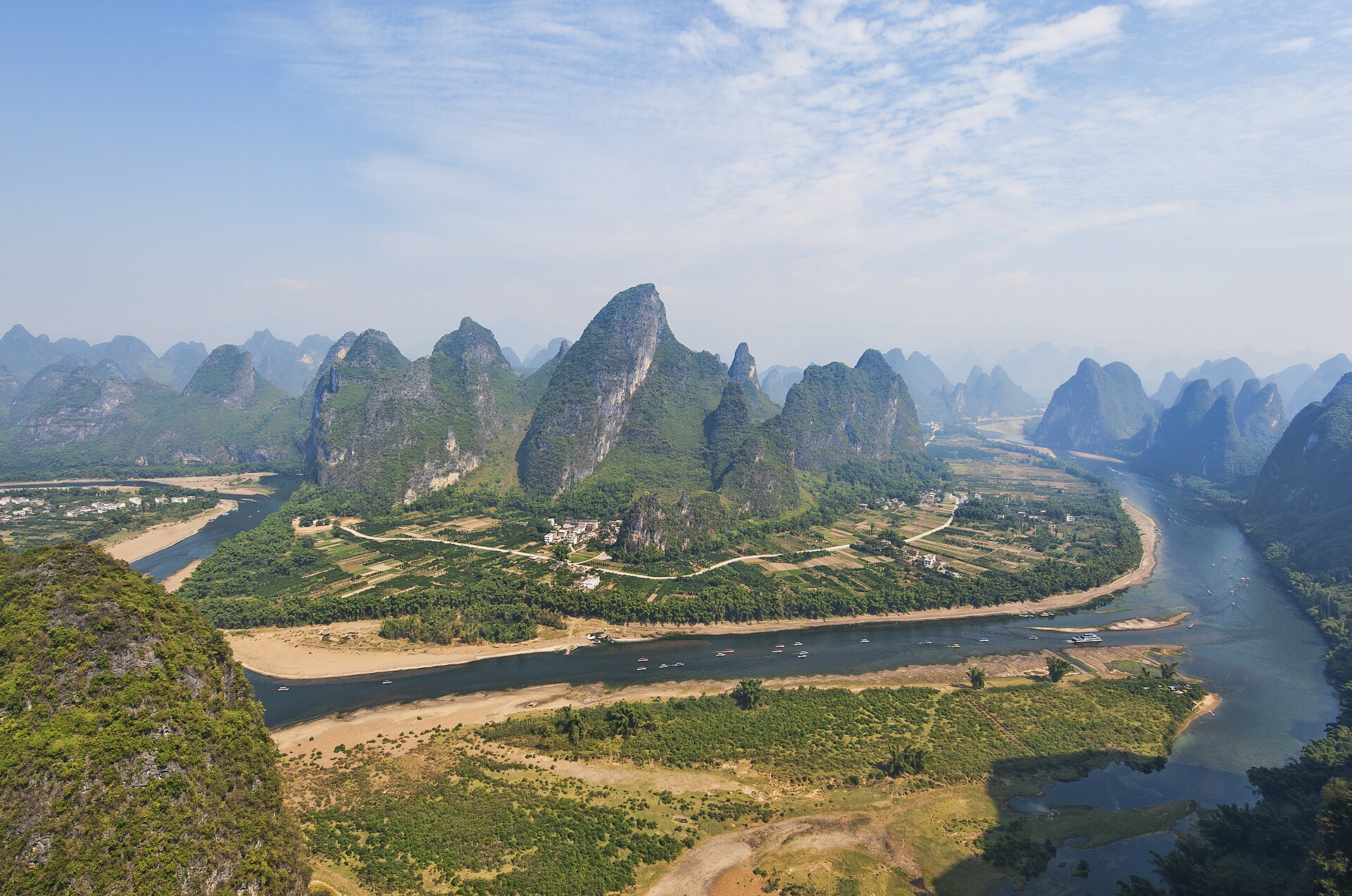
Spring is one of the two best seasons for a first China tour. Beijing warms up quickly after March, the willows along the lakes turn green, and the parks around the Temple of Heaven and the Summer Palace are at their freshest. Xi’an has comfortable days for cycling on the city wall. In Guilin and Yangshuo the rice fields are being planted and the karst peaks often sit in soft mist, which photographers love. Rain picks up in the south through May, so keep a light jacket handy. The one week to avoid is the start of May, when the Labour Day holiday fills trains, hotels and the main sights.
Summer: June to August
Summer is hot and humid in most of eastern China, and June brings heavy rain around Guilin and a rainy spell to Shanghai. It is also school holiday season inside China, so the big sights are busy. That said, summer has its strengths: the landscapes are at their greenest, the Li River runs full, and Yunnan’s higher towns stay cooler than the plains. If summer is your only option, start sightseeing early, plan indoor visits such as the Shanghai Museum for the afternoons, and choose hotels with pools for the hottest days.
Autumn: September to November
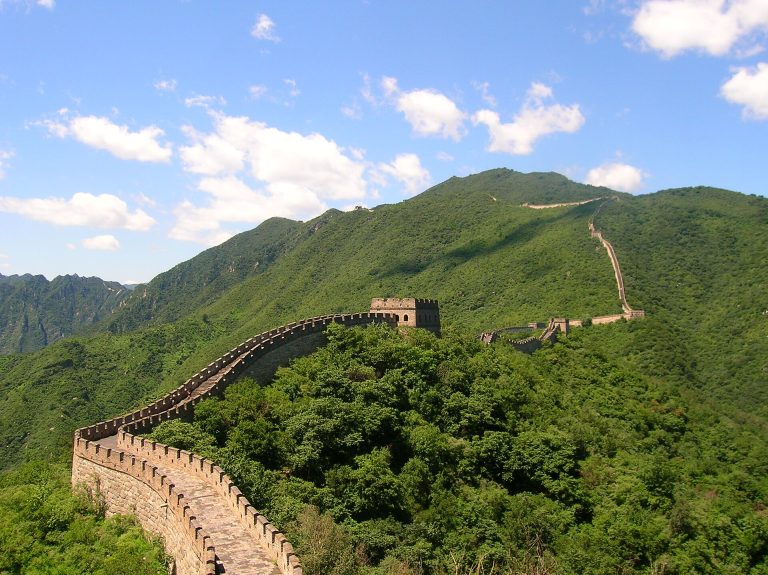
Autumn is our favorite season for a private China tour. September and October bring clear skies to Beijing, and the wooded hills around the Great Wall at Mutianyu turn gold in October. Guilin is drier with sharp views of the peaks, the Longji rice terraces glow gold at harvest in late September and October, and Zhangjiajie’s forests change color in late October and November. Yunnan is dry and clear, with the best views of the snow peaks. The exception is the National Day holiday from 1 October, the busiest travel week of the year inside China. Plan to arrive after it, or spend that week somewhere quieter.
Winter: December to February
Winter is cold and dry in Beijing and Xi’an, with nights below freezing, but the skies are often clear, the Forbidden City can look magical after a light snow, and the main sights are much quieter. Shanghai is cool and damp, and Guilin is mild but sometimes gray. Kunming and Dali stay sunny, which makes Yunnan a good winter choice. The one period to avoid is Chinese New Year, which falls between late January and mid-February: many Chinese families travel, transport is full, and hotels add surcharges.
The best months for each kind of trip
- First-time classic tour (Beijing, Xi’an, Guilin, Shanghai): mid-April to May, and September to October outside the holiday week. See our 12-day Classic China private tour, or the shorter 8-day China Essentials.
- Landscapes and photography: late September to November for Zhangjiajie and the Longji terraces, as on our Zhangjiajie, Guilin and Yangshuo tour.
- Yunnan and mountains: March to May and September to November; see Yunnan Discovery with Shangri-La.
- Families on school holidays: summer works if you start early and build in rest; the Easter holidays and October half-term are better still.
- Fewer crowds: November and early December, or the winter months outside Chinese New Year.
A sample spring or autumn route
This is how the classic 12-day route lines up with the seasons, and what each stop is best for in April–May or September–October.
| Days | Places | Seasonal highlight | Hotel class |
|---|---|---|---|
| 1 – 4 | Beijing, the Forbidden City, the Great Wall at Mutianyu | Clear skies; gold hills on the Wall in October | 4★ (5★ on request) |
| 5 – 6 | Xi’an, the Terracotta Army, the city wall | Mild days for cycling on the wall | 4★ (5★ on request) |
| 7 – 9 | Guilin, Li River cruise, Yangshuo | Misty peaks in spring, sharp views in autumn | 4★ countryside or riverside (5★ on request) |
| 10 – 12 | Shanghai, the Bund, Zhujiajiao | Comfortable evenings for the riverside walk | 4★ (5★ on request) |
Combining China with Vietnam: the best months
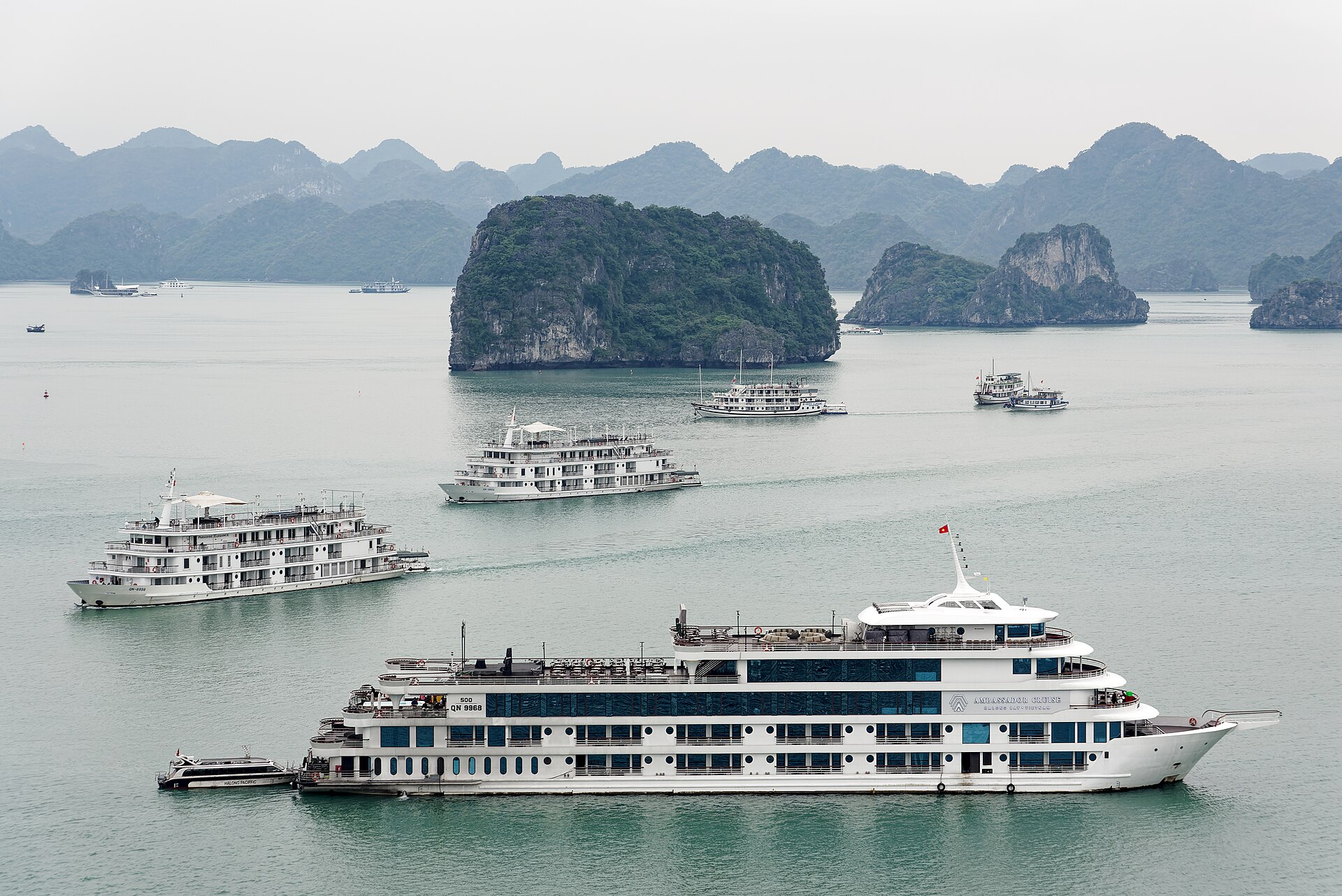
Many of our travelers continue from China to Vietnam. The overlap is best from March to May and from late September to November, when northern Vietnam is comfortable and Sapa’s terraces turn gold in September. Central Vietnam can be rainy from October to December, so in autumn we usually suggest Hanoi, Halong Bay and the south. You can fly from Shanghai to Hanoi, or cross overland from Yunnan, as explained in our Yunnan to northern Vietnam overland guide. For Vietnam’s own seasons, read the best time to visit Vietnam, and for a ready-made Vietnam route see The Best of Vietnam and Cambodia in 14 days.
Practical tips for timing your trip
- Book four to six months ahead for April, May, September and October, when the best-located 4★ and 5★ hotels fill first.
- The Forbidden City and several museums close on Mondays, so we plan your Beijing days around them.
- Check current visa rules for your passport before booking flights; the rules depend on nationality and can change.
- High-speed train tickets and domestic flights are quoted separately, and holiday weeks sell out early.
For more routes and seasonal ideas, visit our China destination page or the full China private tour itinerary guide.
FAQ
What is the best month to visit China?
October, after the first-week national holiday, and May, after the first-week Labour Day holiday, are often the best balance of good weather and manageable crowds across Beijing, Xi’an, Guilin and Shanghai.
Is it worth visiting China in winter?
Yes, if you dress warmly. Beijing and Xi’an are cold but clear and quiet, and Yunnan stays sunny. Avoid Chinese New Year, when transport and hotels are at their fullest.
When should we avoid traveling in China?
The first week of October, the first days of May and Chinese New Year are the busiest periods. Summer school holidays are also crowded at the main sights.
What is the best time to see the Li River and Guilin?
September to November for clearer views and drier days; April and May for misty, green scenery. June is usually the wettest month.
How much does a private China tour cost in peak season?
Prices depend on dates, hotels and group size, and holiday weeks carry surcharges. See the tour page for the current from-price, confirmed in your tailor-made quote.
Not sure which month suits your route? Tell us your dates and interests, and we will suggest the best timing and a private itinerary, usually within 24 hours.
Call us: US +1 929 491 2828 · UK +44 7520 660929
Last updated: 26 October 2026
Photo: chensiyuan, CC BY-SA 4.0, via Wikimedia Commons.