
Japan and Vietnam make a surprisingly natural pair. Japan gives you precision, temples and the bullet train; Vietnam slows you down with limestone bays, lantern-lit old towns and some of the best street food in Asia. The two are also linked by history: the Japanese Covered Bridge in Hoi An was built by Japanese merchants in the early 17th century. Here is how we plan a two-country trip, how long you need and which months work best.
The 13-day Japan and Vietnam route
This is our Japan and Vietnam private tour: Tokyo, Kyoto, Hanoi, Halong Bay and Hoi An.
| Day | Places | Overnight | Hotel class |
|---|---|---|---|
| 1 | Arrive in Tokyo; private transfer to your hotel | Tokyo | 4★ (5★ on request) |
| 2 | Senso-ji in Asakusa, Meiji Shrine and Shibuya | Tokyo | 4★ (5★ on request) |
| 3 | Hakone: Open-Air Museum, ropeway, Lake Ashi | Hakone | Ryokan with hot-spring baths, 4★ level |
| 4 | Shinkansen to Kyoto; Fushimi Inari and Gion | Kyoto | 4★ (5★ on request) |
| 5 | Golden Pavilion, Ryoan-ji and Arashiyama | Kyoto | 4★ (5★ on request) |
| 6 | Nara Park and Todai-ji; on to Osaka | Osaka | 4★ (5★ on request) |
| 7 | Fly Osaka to Hanoi; evening in the Old Quarter | Hanoi | 4★ boutique, Old Quarter (5★ on request) |
| 8 | Ba Dinh Square, Temple of Literature, street food | Hanoi | 4★ boutique, Old Quarter (5★ on request) |
| 9 | Drive to Halong Bay; cruise, caves or kayaking | Halong Bay | 4★ cruise cabin (5★ on request) |
| 10 | Tai chi on deck; return and fly to Da Nang for Hoi An | Hoi An | 4★ riverside or beach resort (5★ on request) |
| 11 | Hoi An Ancient Town and the Japanese Covered Bridge | Hoi An | 4★ riverside or beach resort (5★ on request) |
| 12 | Cycling to Tra Que village; Cam Thanh water coconut forest | Hoi An | 4★ riverside or beach resort (5★ on request) |
| 13 | Free morning; departure from Da Nang | — | — |
The Japan half: six busy, beautiful days
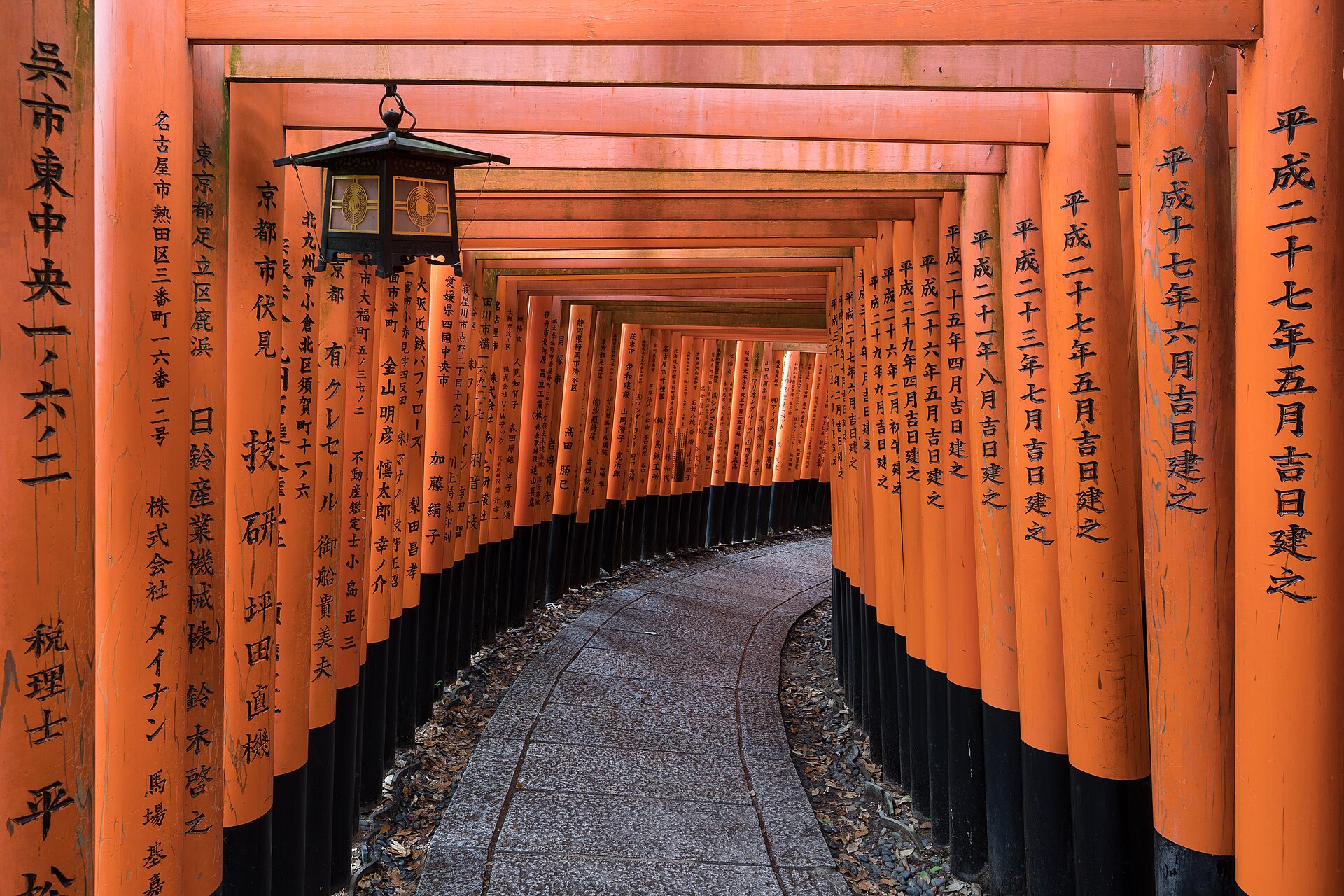
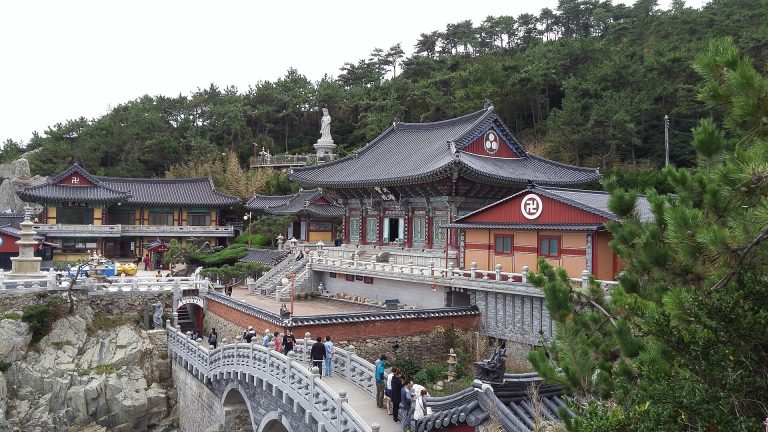
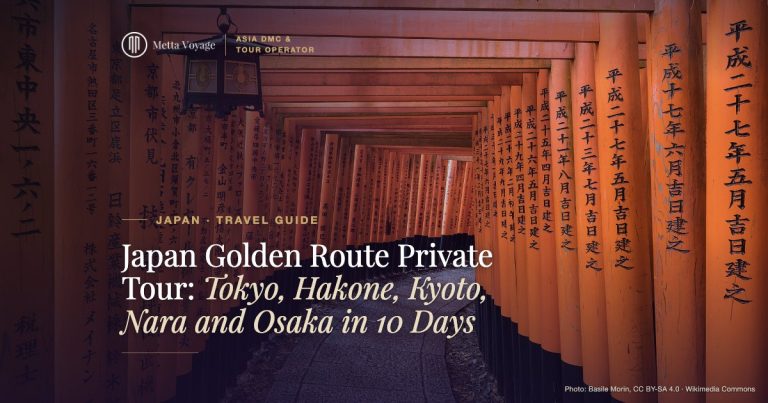
The trip opens with Tokyo’s contrasts: Senso-ji, the city’s oldest temple, the forest around the Meiji Shrine and the famous Shibuya crossing. Your luggage then goes ahead by courier while you spend a night in a Hakone ryokan, with a traditional dinner, hot-spring baths and a chance of seeing Mount Fuji above Lake Ashi. The Shinkansen from Odawara reaches Kyoto in about two hours, in time for the red torii tunnels of Fushimi Inari. After the Golden Pavilion and Arashiyama’s bamboo grove, you visit Nara’s great Buddha on the way to Osaka. In Japan your guide travels with you by train and subway, which is faster and more comfortable than driving; the Shinkansen, train and subway tickets are quoted separately.
Plan your Vietnam trip in 1 minute
Pick your month to see the weather by region, or estimate your budget — then get a private itinerary from our Hanoi team.
Typical seasonal patterns; weather varies year to year. Our team checks your exact dates when we prepare your itinerary.
"From" prices published on our Vietnam tour cost guide: per person per day, 2 travellers sharing, private guide & driver, hotels, listed activities. International flights, e-visa, insurance and tips not included. Final price is confirmed in your written quote.
The Vietnam half: a slower, warmer rhythm
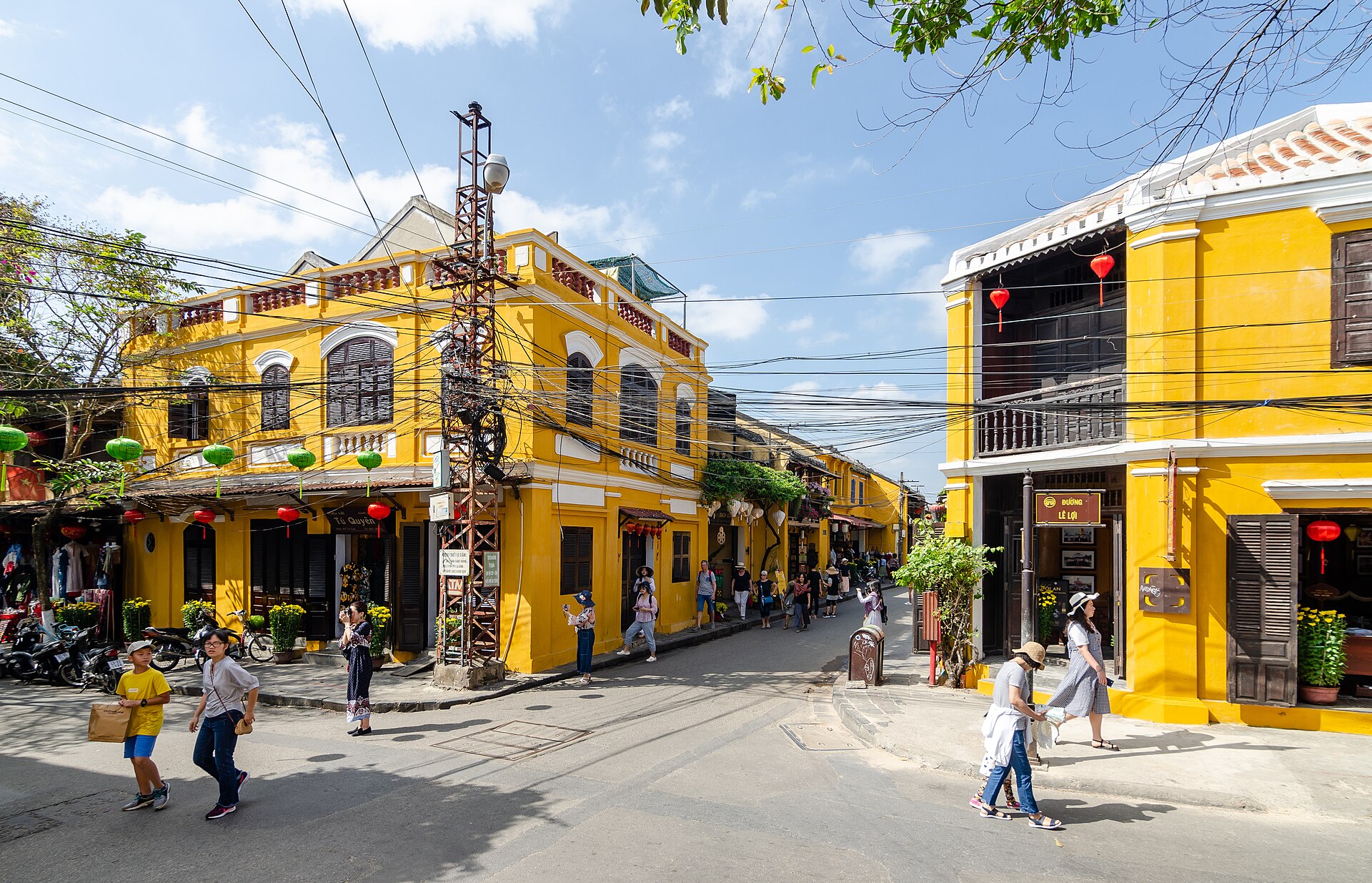
After the direct flight to Hanoi, a private car and driver take over for the rest of the trip. Hanoi’s Old Quarter is best on foot, with a street food walk that is a highlight for most travelers. On Halong Bay you spend a night on a cruise boat among thousands of limestone islands, exploring a cave or paddling a kayak in the afternoon. A short domestic flight to Da Nang, quoted separately, brings you to Hoi An, a UNESCO World Heritage town of merchant houses, assembly halls and lanterns along the river, where the final days are deliberately relaxed: cycling through rice fields to the herb village of Tra Que, a round basket boat in the Cam Thanh water coconut forest and time at the beach.
Best time to combine Japan and Vietnam
| Months | Japan | Hanoi and Halong Bay | Hoi An |
|---|---|---|---|
| Late March – April | Cherry blossoms in late March and early April | Mild, sometimes misty | Dry and warm; good beach weather begins |
| May | Fresh green; busy in Golden Week | Getting hot | Sunny and hot |
| June – August | Rainy June, then hot and humid | Hot, humid, summer storms | Hoi An’s beaches at their best |
| October – November | Autumn colors from mid-November | Comfortable and mostly dry | Rainy season; flooding possible |
| December – February | Cool, clear, quiet | Cool and often gray | Rain easing from late January |
Spring, from late March to May, is the best compromise for this route. In October and November, Japan and northern Vietnam are lovely but central Vietnam can be rainy, so we often swap Hoi An for the south: Ho Chi Minh City, the Mekong Delta or Phu Quoc island. For Vietnam’s seasons in more detail, read the best time to visit Vietnam. For Japan’s peak seasons, see our guide to cherry blossom and autumn leaves.
Which order: Japan first or Vietnam first?
We usually put Japan first. It is the more intense half, with more walking and train travel, and finishing in Hoi An gives you a relaxed end by the sea. Reversing the route works equally well, and can be better in some seasons: start in Vietnam in March and finish in Japan as the cherry blossoms open, or start in Vietnam in late October and reach Kyoto for the maples.
Practical tips
- Flights: the Osaka–Hanoi flight and your other international flights are not included; the Hanoi–Da Nang domestic flight is quoted separately. We help you pick flights that fit the itinerary.
- Visas: you need to meet the entry rules of each country separately. Check current visa rules for your passport for both Japan and Vietnam before booking.
- Money: you will use yen and Vietnamese dong. Cards work widely in Japan and in Vietnamese hotels, but carry some cash for markets and small shops.
- Luggage: pack light for Japan, where your main bags are forwarded between hotels, and remember the cruise night on Halong Bay.
- Pace: expect 10,000 to 15,000 steps a day in Japan; Vietnam is gentler with a car throughout. The trip suits couples, families with children over 10 and active older travelers.
Longer or different versions
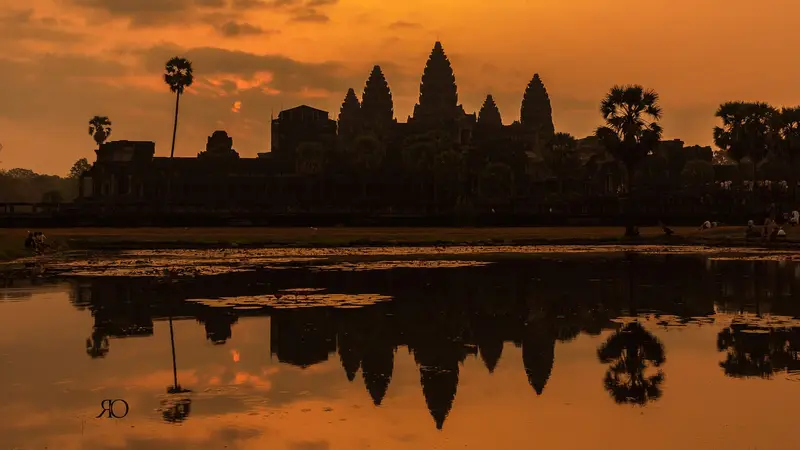
With more time in Japan, follow our 10-day Japan Golden Route tour, described in our Golden Route guide, then add a week in Vietnam. With more time in Vietnam, continue south to the Mekong Delta and Angkor, as on The Best of Vietnam and Cambodia in 14 days, or add a few quiet days on the coast with a Hoi An retreat. More ideas are on our Japan destination page.
FAQ
How do we get from Japan to Vietnam?
Direct flights from Osaka to Hanoi take about five and a half hours, and there are also direct flights from Tokyo. The ticket is quoted separately and we help you choose the timing.
How many days do we need for Japan and Vietnam together?
Thirteen days covers Tokyo, Hakone, Kyoto, Osaka, Hanoi, Halong Bay and Hoi An at a comfortable pace. Sixteen to eighteen days lets you add the Japanese Alps or southern Vietnam.
Can we do the trip the other way round?
Yes. Starting in Vietnam and ending in Japan works well, and can help you catch the cherry blossoms or autumn colors at the end.
Is this trip suitable for teenagers?
Very. Teens love Tokyo’s energy, the bullet train, kayaking on Halong Bay and cycling in Hoi An, and the slower second half balances the busier days in Japan.
How much does a Japan and Vietnam tour cost?
It depends on season, hotel class and group size. See the tour page for the current from-price, confirmed in your tailor-made quote.
Tell us your dates and which country you would like to start in, and we will send a private two-country itinerary, usually within 24 hours. As a Vietnam-based company with more than 2,000 bookings, we look after both halves with one team.
Call us: US +1 929 491 2828 · UK +44 7520 660929
Last updated: 26 October 2026
Photo: Steffen Schmitz (more photos), CC BY-SA 4.0, via Wikimedia Commons.