

Updated 26 October 2026 for travel in 2026–2027.
Seasons at a glance (updated November 2026)
The best time to visit Vietnam for a whole-country trip is February to April, when the north is mild, the centre is dry and the south is sunny. October–November is also good for the north and south. Each region has its own season, so we plan your route around your dates.
| Region | Best months | Avoid if possible |
|---|---|---|
| North (Hanoi, Halong, Sapa) | Oct–Apr | Jun–Aug heat and storms |
| Centre (Hue, Hoi An) | Feb–Aug | Oct–Nov heavy rain |
| South (Saigon, Mekong, Phu Quoc) | Dec–Apr | Short daily showers May–Nov |
I. Overview
Vietnam is a vibrant and diverse country located in Southeast Asia. Whether you’re seeking cultural experiences, natural wonders, or culinary delights, Vietnam offers a captivating blend of history, beauty, and warm hospitality that attracts travelers worldwide. However, it’s important to note that Vietnam is a geographically diverse country with varying climates in different regions. So, Metta Voyage will suggest the best time to visit Vietnam for your vacation or business.
Vietnam at a glance: month by month (2026–2027)
Vietnam stretches more than 1,600 km from north to south, so it is almost always a good time to visit somewhere. Use this quick guide to match your travel month with the right regions:
| Months | North (Hanoi, Ha Long, Sapa) | Centre (Hue, Hoi An, Da Nang) | South (Saigon, Mekong, Phu Quoc) |
|---|---|---|---|
| January – March | Cool to mild, sometimes misty; Sapa can be cold | Mild and drier from February | Dry and sunny – peak beach season |
| April – May | Warm and pleasant – one of the best periods | Hot and dry – excellent beach weather | Hot; rains begin in May |
| June – August | Hot, humid, with summer showers | Hot and mostly dry – good beach months | Rainy season, usually short afternoon showers |
| September – November | Warm and clear – rice harvest in the mountains | Rainy and typhoon season – plan with flexibility | Rains easing towards November |
| December | Cool and dry | Rain easing | Dry season begins |
Our tip: for a long north-to-south journey of two to three weeks, February to April usually gives the best balance across all three regions. September to early November is lovely in the north and drying out in the south, but it is the rainy and typhoon season in central Vietnam (Hue, Hoi An, Da Nang), so keep that part of the trip flexible.
Dates to plan around in 2026–2027
- Tet (Lunar New Year) 2027: 6 February 2027. Many businesses close for several days around Tet and transport is busy – a fascinating time to experience local traditions, but book early.
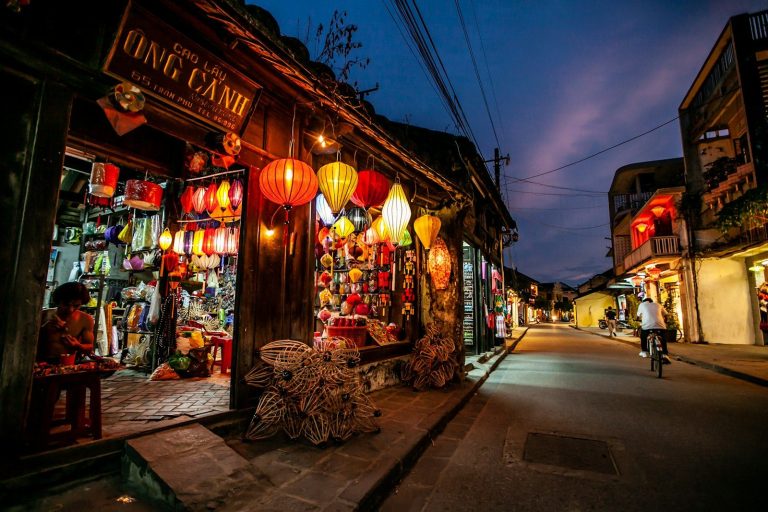
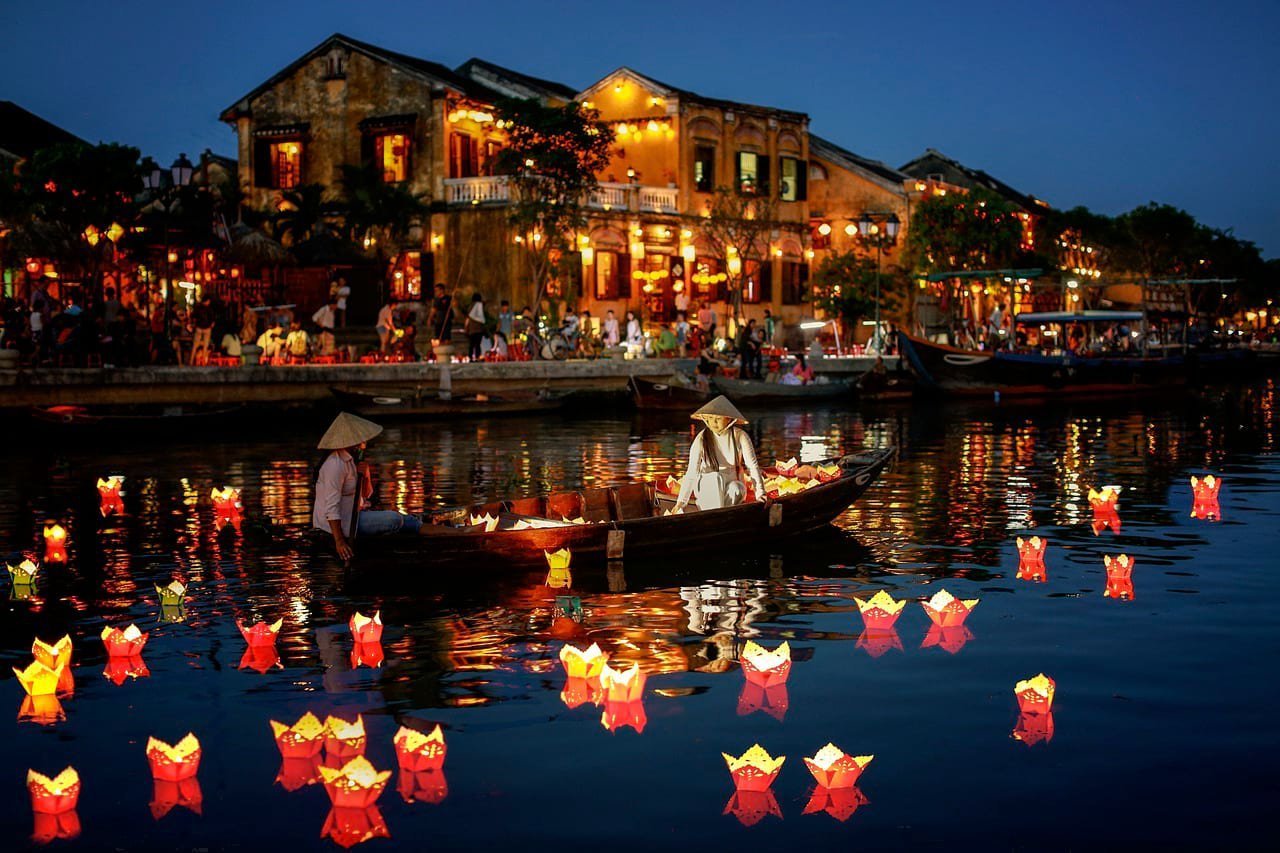
- Hoi An full-moon nights: every lunar month, the old town dims its lights and glows with lanterns.
- APEC 2027 in Phu Quoc (November 2027): expect high demand and higher prices for hotels on the island around APEC Leaders’ Week.
Ready to choose your season? See our Vietnam luxury holidays for 2027 or ask our Hanoi team for a free itinerary.
II. Best Time To Visit Vietnam
The shoulder seasons of September to November and February to May are generally considered the best times to visit Vietnam as they offer a balance between comfortable weather and fewer crowds. The one exception is central Vietnam in September to November, when heavy rain and storms are possible. Here is a summary of the recommended times to visit Vietnam based on its three main regions.
1. Best time to visit the Northern Vietnam:
The best time to visit Northern Vietnam is during the months of September to November and March to April. Both autumn and spring offer a pleasant and enjoyable experience for travelers in this region.
1.1. Ha Noi
The best time to visit Hanoi is spring and autumn because the city is adorned with blooming flowers, especially in parks and around Hoan Kiem Lake. You can also experience the vibrant atmosphere of the Full Moon Festival and enjoy the beautiful autumn foliage in parks at Thong Nhat.
- Dry season: November to February
- Rainy season: May to September
- Peak season: October to December
- Ideal time: Spring (March to April) and Autumn (September to November)

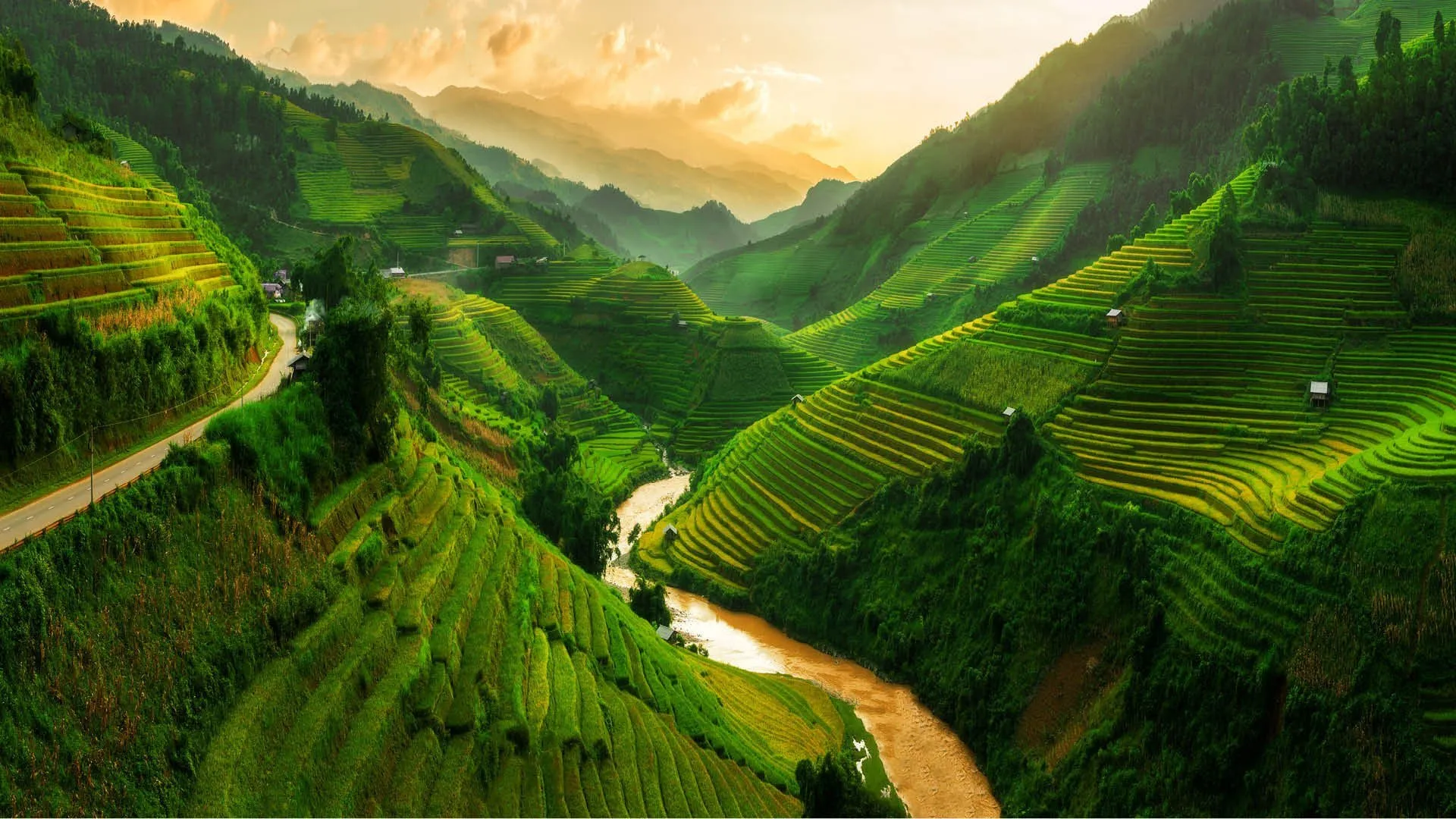
1.2. Sa Pa
The best time to visit Sapa, a popular Vietnam destination, is spring and autumn. At this time, the rice terraces are lush green, and the surrounding hillsides are adorned with colorful blooming flowers. Autumn is also the harvest season, providing an opportunity to witness and participate in local agricultural activities.
- Dry season: February to May
- Rainy season: May to September
- Peak season: February, March, July, October and November
- Ideal time: Spring (March to April) and Autumn (September to November)
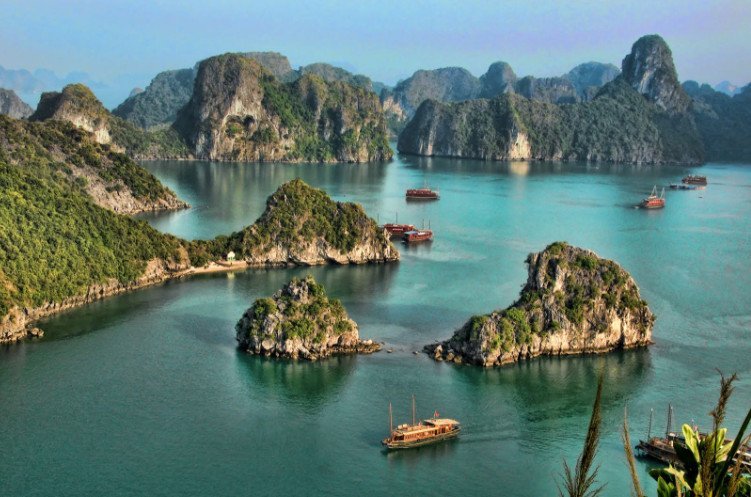
1.3. Halong Bay
The best time to visit Halong Bay, a UNESCO World Heritage site in Vietnam, is spring and autumn. The weather is generally pleasant, allowing for enjoyable boat cruises, kayaking, and exploring the bay’s stunning islands and caves.
- Dry season: November to April
- Rainy season: June to September
- Peak season: October to December
- Ideal time: Spring (March to May) and Autumn (October to December)
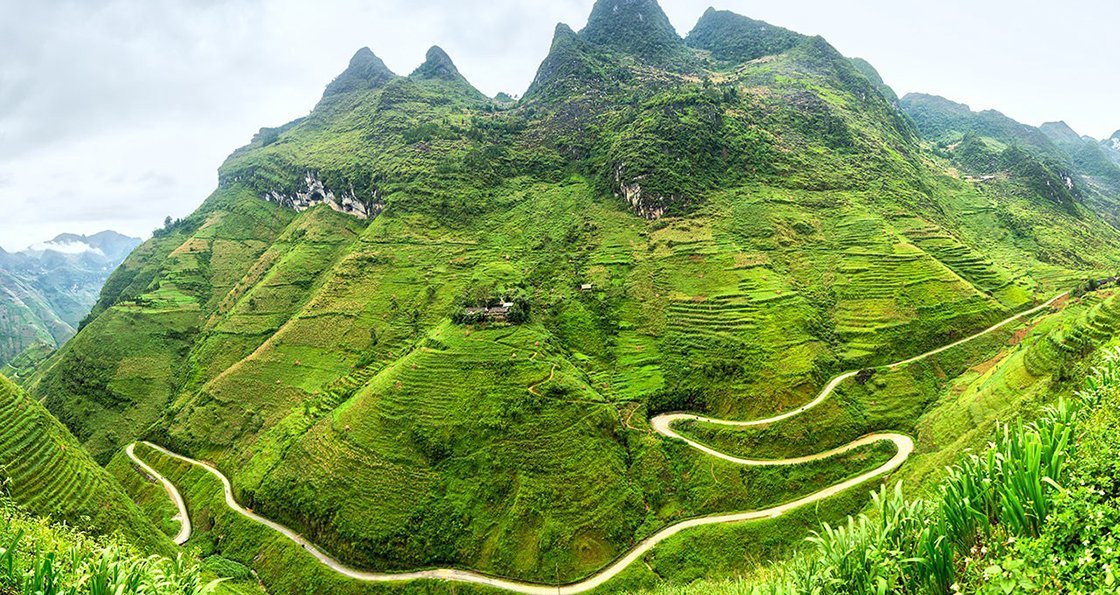
1.4. Ha Giang
The best time to explore Ha Giang, a mountainous province in northern Vietnam, is from spring and autumn, due to the cooler temperatures. During November, Ha Giang experiences a surge in popularity as it hosts the highly anticipated Buckwheat Flower Festival.
- Dry season: November to March
- Rainy season: June to September
- Peak season: September to November
- Ideal time: Spring (March to May) and Autumn (September to November)
2. Best time to visit the Central Vietnam
The best time to visit Central Vietnam is during the months of February to May. During this period, various cultural events and festivals were organized with pleasant and mild weather. However, it is worth noting that the region can be visited year-round.
2.1. Hue
Spring and autumn are the best times to visit Hue, a historic city in central Vietnam known for its imperial heritage and cultural landmarks. At this time, the weather is comfortable for tourists to explore famous attractions such as Thien Mu pagoda, Khai Dinh tomb, Hue Imperial city, etc.
- Dry season: March to August
- Rainy season: September to January
- Peak season: August
- Ideal time: Spring (February to April). September and October can still be pleasant, but this is the start of Hue’s rainy season, with heavy downpours and occasional flooding, so allow spare time and keep indoor sights in the plan.

2.2. Hoi An
The best time to visit Hoi An, a charming ancient town in central Vietnam, is spring because the weather is cool. In particular, January is the time when Hoi An people are busy preparing for the Lunar New Year. In that case, you will be immersed in the bustling and vibrant atmosphere, enjoy the traditional lantern festival, and participate in the festival of releasing lanterns on the Hoai River.
Plan your Vietnam trip in 1 minute
Pick your month to see the weather by region, or estimate your budget — then get a private itinerary from our Hanoi team.
Typical seasonal patterns; weather varies year to year. Our team checks your exact dates when we prepare your itinerary.
"From" prices published on our Vietnam tour cost guide: per person per day, 2 travellers sharing, private guide & driver, hotels, listed activities. International flights, e-visa, insurance and tips not included. Final price is confirmed in your written quote.
- Dry season: March to September
- Rainy season: September to January
- Peak season: March to September
- Ideal time: Spring (January to April)
2.3. Da Nang
The best time to visit Da Nang, a coastal city with beautiful beaches in Vietnam, is spring and summer. The springtime brings a festive atmosphere with events like the Da Nang International Fireworks Festival, while the summertime is a great time to enjoy the city’s stunning beaches, such as My Khe and Non Nuoc.
- Dry season: December to August
- Rainy season: September to November
- Peak season: June to August
- Ideal time: Spring (February to May) and Summer (July to August)
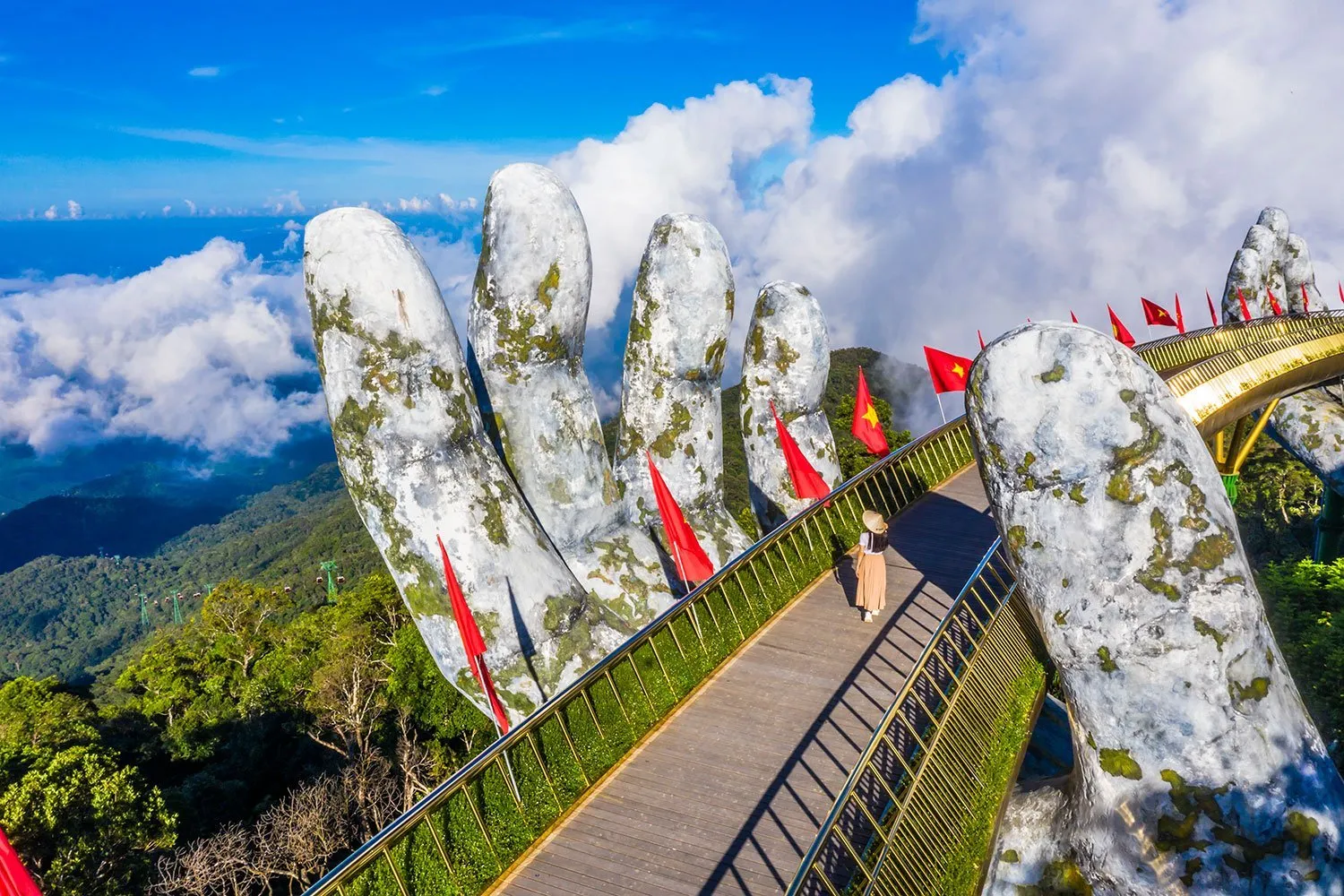
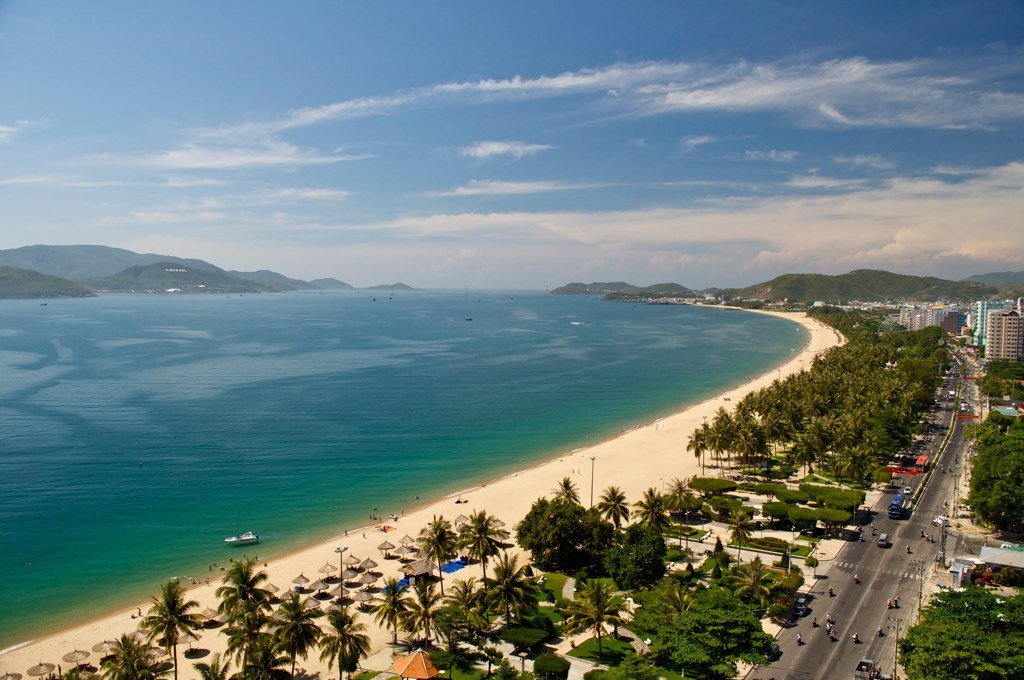
2.4. Nha Trang
The best time to visit Nha Trang, a coastal city in central Vietnam, is spring and autumn. These seasons provide an optimal combination of pleasant weather, warm waters, and fewer crowds, making it an ideal time for swimming and enjoying water activities.
- Dry season: January to September
- Rainy season: October to December
- Peak season: May to July
- Ideal time: Spring (January to April) and Autumn (August to September)
2.5. Da Lat
The best time to visit Da Lat, a fog city in the Central Highlands of Vietnam, is winter/spring. It’s an excellent time to explore the city’s natural beauty, including its flower gardens, pine forests, or any outdoor activities. Additionally, during the Lunar New Year (Tet), Da Lat becomes even more vibrant with colorful flowers.
- Blossom season: November to December
- Rainy season: April to May and September to October
- Peak season: During weekends and holidays
- Ideal time: Winter/Spring (December to March)

3. Best time to visit the Southern Vietnam
The best time to visit Southern Vietnam is from November to April. During the dry season, Southern Vietnam receives less rainfall, so you can explore the bustling cities.
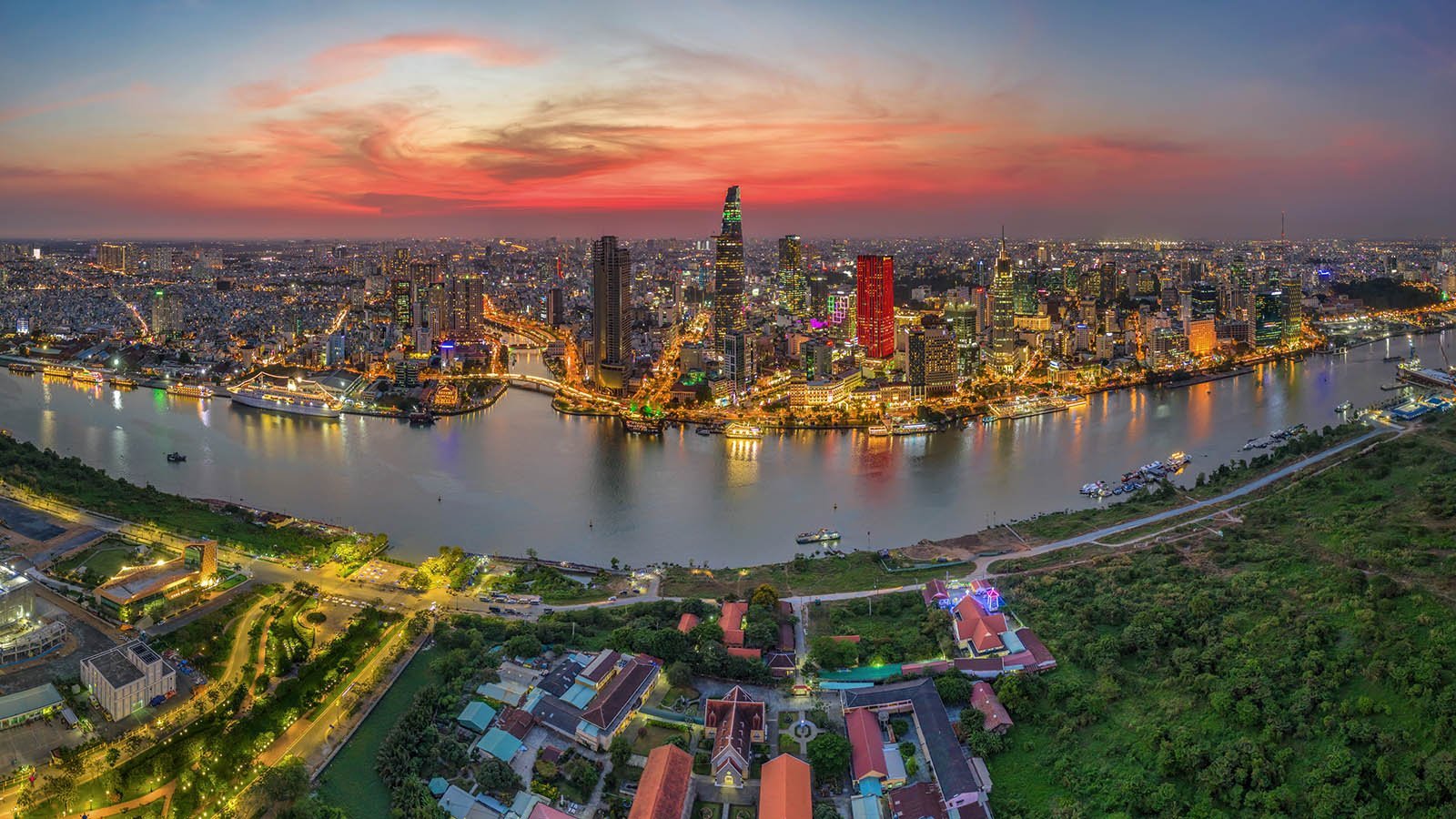
3.1. Ho Chi Minh
The best time to visit Ho Chi Minh City (formerly known as Saigon) is from December to April. It’s an ideal time to explore the city’s attractions and visit historical landmarks. December is a particularly festive time in Ho Chi Minh City as the city gets decorated for Christmas and New Year celebrations.
- Dry season: December to April
- Rainy season: May to November
- Peak season: December to February
- Ideal time: during the months of December to April
3.2. Con Dao
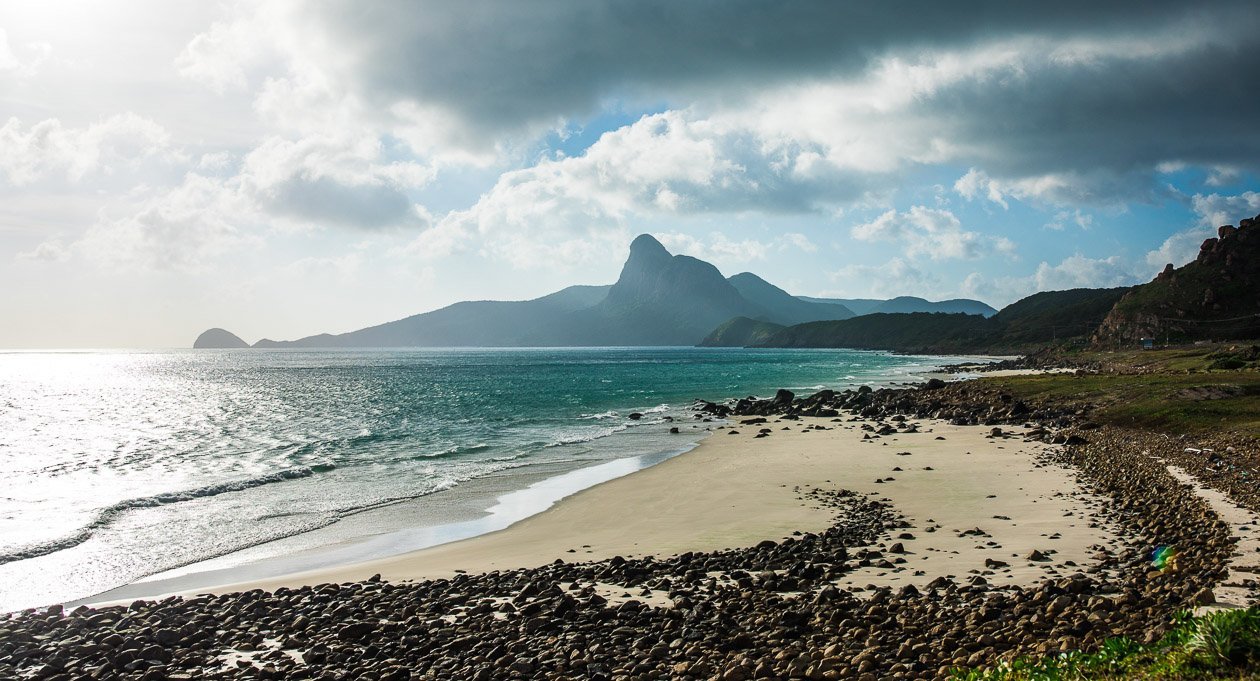
Con Dao, a group of islands off the southeastern coast of Vietnam, is warm all year, so the best time depends on what you want to do. Sea turtles nest and hatch from about April to October, when small organised hatching tours run (source: Vietnam National Authority of Tourism). The drier months of November to February suit beach days, but they are not turtle season, and from about October to December the sea can be rough, so some boat trips and dives may be cancelled.
- Dry season: November to February
- Rainy season: March to October
- Peak season: December to February
- Ideal time: April to October for turtle watching; November to February for drier beach days (check sea conditions, which can be rough from October to December)
3.3. Can Tho
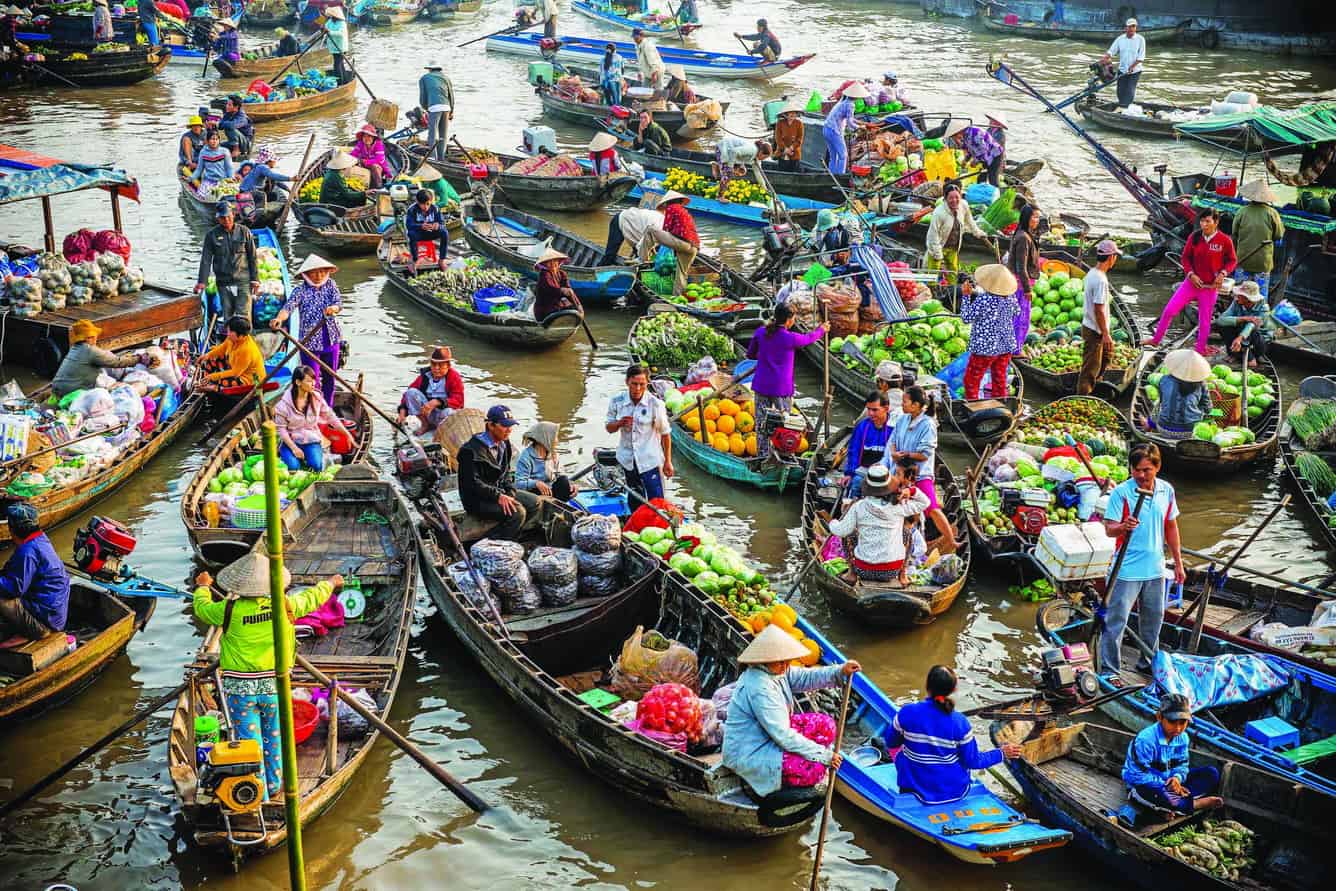
The dry and tropical seasons are the best time to visit Can Tho, a vibrant city in the heart of the Mekong Delta in Vietnam. The dry season offers ideal conditions for exploring the city’s attractions, taking boat tours along the Mekong River, and visiting the famous floating markets. If you want to witness the fruit harvest, go to the tropical season.
- Dry season: November to April
- Rainy season: May to October
- Peak season: December to April
- Ideal time: During tropical season (April to August)
3.4. Phu Quoc
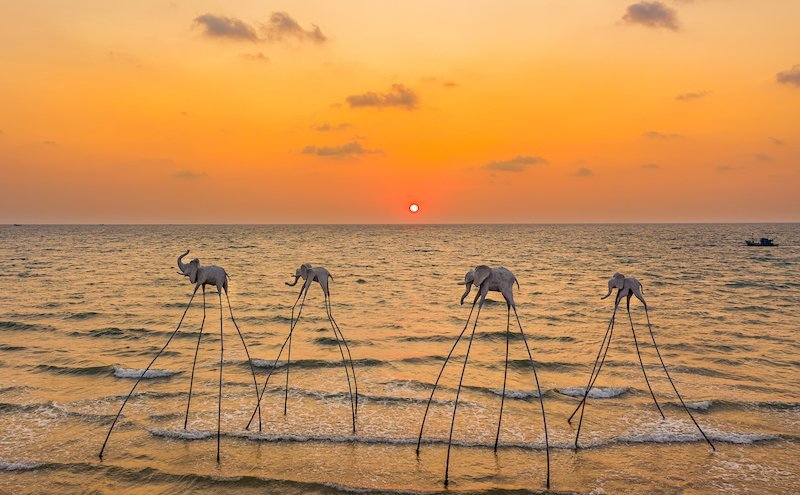
The best time to visit Phu Quoc, a stunning island in Vietnam, is the dry season. Because at this time, the calm sea and clear skies make it perfect for beach activities, swimming, snorkeling, diving, and watching the sunset. April is a good time if you are particularly interested in visiting Sao Beach, known for its pristine white sand and turquoise waters.
- Dry season: October to April
- Rainy season: May to October
- Peak season: December to February
- Ideal time: October to April
III. Conclusion
In conclusion, Vietnam has three regions: North, Central, and South. The above are famous tourist destinations that domestic and foreign tourists often prefer. The best time to visit Vietnam is different in different regions, so you need to check the specific weather conditions and plan accordingly based on your preferences and the activities you wish to engage in.
Finding the best guided tours in Vietnam with Metta VoyageQuestions travellers asked us — and our answers
These are real questions from travellers’ emails, messages and enquiry forms, rewritten and anonymised, and answered by the Metta Voyage team: a trip designer and a guide.
We can only travel in the second half of August. Which part of Vietnam works best with the rain?
Metta Voyage trip designer: In August the central coast around Da Nang, Hoi An and Hue is usually the driest part of the country and a good beach region, while the north is hot and humid with summer showers and the south is in its rainy season. We would build the trip around the centre and add Hanoi and Halong Bay, keeping one flexible day near the cruise in case sailings are suspended. Our Halong Bay seasons guide explains what to expect on the water.
Metta Voyage guide: Summer rain in Hanoi and the south usually comes as a heavy shower that passes. We start sightseeing early, keep museums and cafés for the afternoon, and always have a plan B for an outdoor stop.
Will it be cold in Hanoi and Da Nang in winter? Do we need a thick jacket?
Metta Voyage trip designer: From December to February the north, including Hanoi and Halong Bay, is cool and sometimes cold, and Sapa can be properly cold. The centre is milder, with the rain easing in December, and the south is warm and dry. So for a north-to-south trip you pack for two climates.
Metta Voyage guide: Bring a warm layer and a light down or fleece jacket for Sapa and for the evening on the cruise deck, plus a light rain jacket for the centre. You can leave the heavy layers in the bag once you fly south.
Is the weather good in Sapa on our dates, and is Sapa a better choice than Ha Giang if we don’t want long hours on difficult roads?
Metta Voyage trip designer: Spring (March–April) and autumn (September–November) are the best months for both. If you want to avoid long mountain drives, Sapa is the easier choice: the expressway from Hanoi takes around five to six hours, and once there you walk to the villages from town. Ha Giang is further and is best seen over several days on winding mountain roads. Our 14-day Vietnam itinerary shows how Sapa fits into a north-to-south trip.
Metta Voyage guide: In Sapa we choose the walking distance on the day, and the cable car takes you up Fansipan without a climb. On a misty morning the views can be hidden for a few hours, so we keep the village walk flexible and go when it clears.
Our dates fall in the rainy season. Is there an island in Vietnam that is less rainy?
Metta Voyage trip designer: Vietnam’s beaches have different seasons. Phu Quoc in the south is at its best in the dry months, roughly November to April, while from about April to August the beaches of the central coast near Da Nang and Hoi An are usually drier. We match the beach to your month rather than the other way round; our Phu Quoc seasons guide has the detail for the island.
Metta Voyage guide: Even in the rainy months, many days start sunny and the rain comes later. On the beach days we plan boat trips and snorkelling for the morning.
We are between 50 and 70 and want to travel in the north and centre in mid-December. Is that a good time?
Metta Voyage trip designer: For the north, yes: December is cool and dry, comfortable for walking in Hanoi and Ninh Binh, and Halong Bay is pleasant if you bring a warm layer. In the centre the rain is easing but can still last into early December, so we keep the Hoi An and Hue days flexible and add indoor options. If you want to compare the whole region by month, see the best time to visit Vietnam, Cambodia and Laos.
Metta Voyage guide: For a relaxed pace we avoid very early starts, use the cable car instead of long climbs, and keep walks on flat paths. Just tell us on day one what feels comfortable and we adjust.
If bad weather hits during the trip, can you change or move part of it?
Metta Voyage trip designer: On a private tour we can usually reshuffle the days around the problem, for example swapping the Halong Bay cruise with the Ninh Binh day when a storm is forecast. If a cruise is suspended by the authorities, the cruise company reschedules, changes the route or refunds according to its own policy. What can be moved, and at what cost, depends on each hotel’s and cruise’s conditions, which we show in your quote.
Metta Voyage guide: Our team follows the forecast with you and is on WhatsApp 24/7 on +84 812 247 572 during the trip, so changes are made on the ground, not after you have lost the day.
— Metta Voyage team
Planning a trip to Vietnam? Continue planning with our 14-day Vietnam tour from north to south or Vietnam luxury tour (15 days)
Plan your private Vietnam tour — Get my free itinerary
Contact us
Website: mettavoyage.com
Email: [email protected]
Hotline 24/7: + 84 812 247 572
Plan further: · 10 days in Vietnam
Licensed international tour operator (licence 01-1167/2023/CDLQGVN-GP LHQT), head office in Hanoi · 2,000+ bookings for 10,100+ travellers · 4.9 on Tripadvisor.